Jean-Marie Massaud reimagines the concept of dining by designing a chair as comfortable as an armchair. Consisting of an enveloping cushion enclosed in a minimalist wooden frame, the Leopold chair transforms moments of conviviality into delightful and graceful experiences.

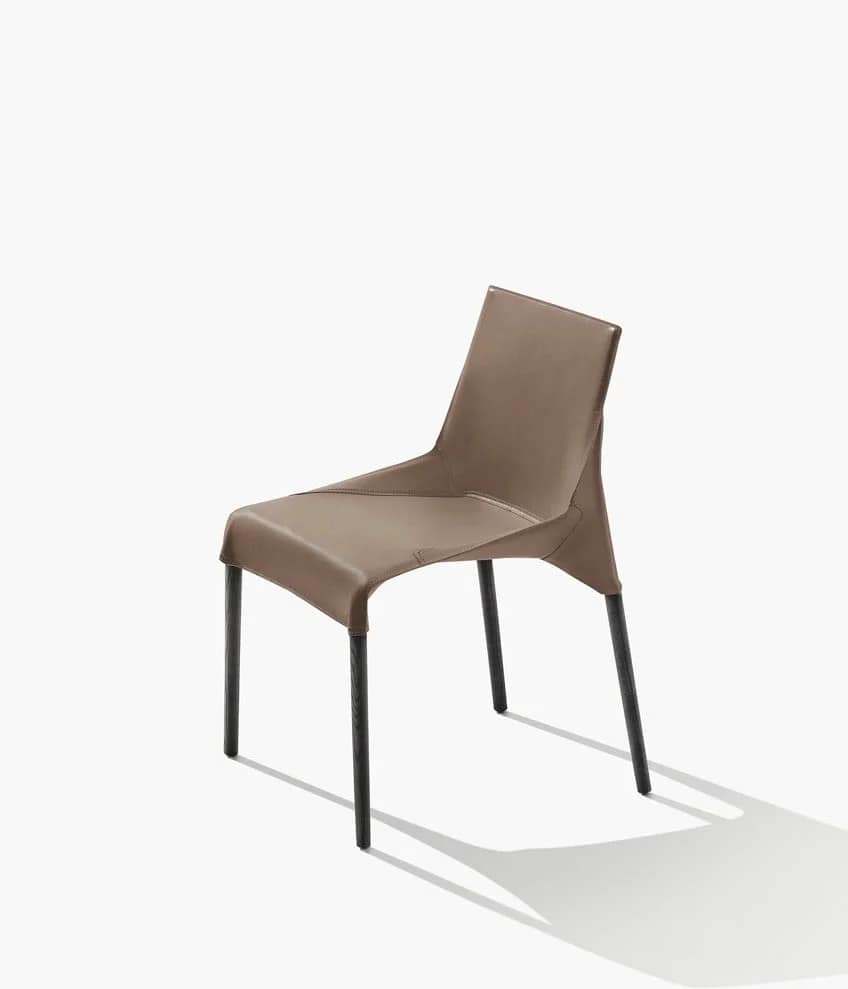
SEATTLE CHAIR

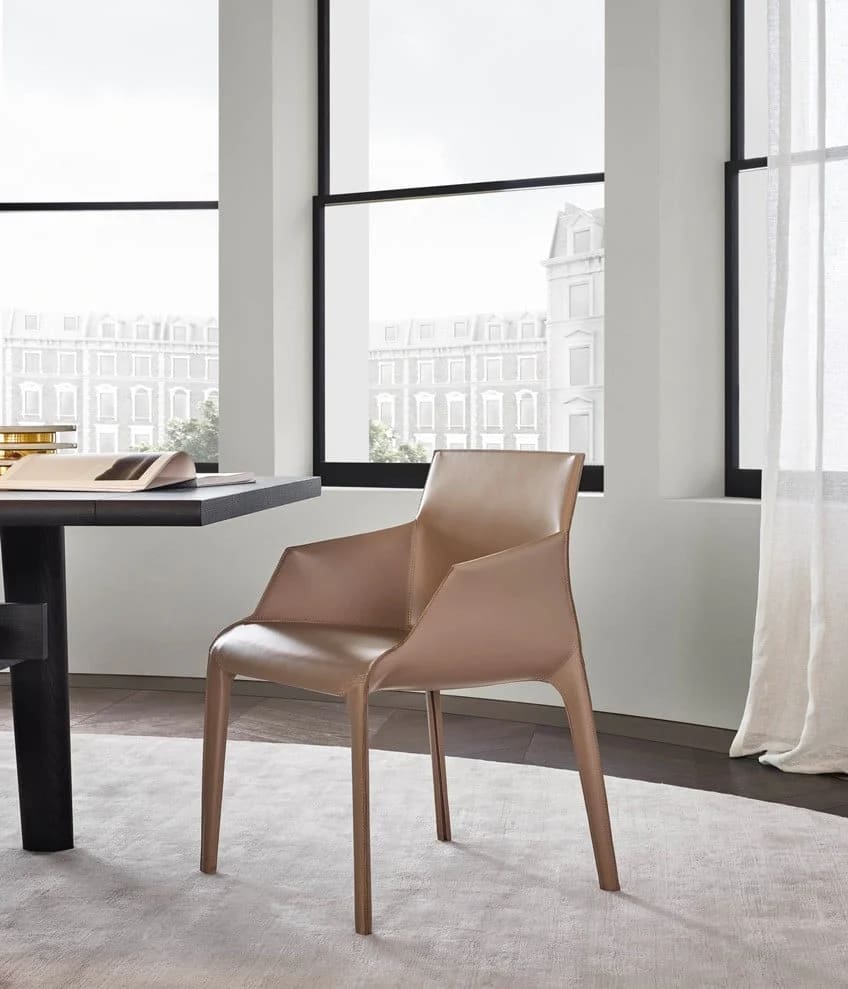
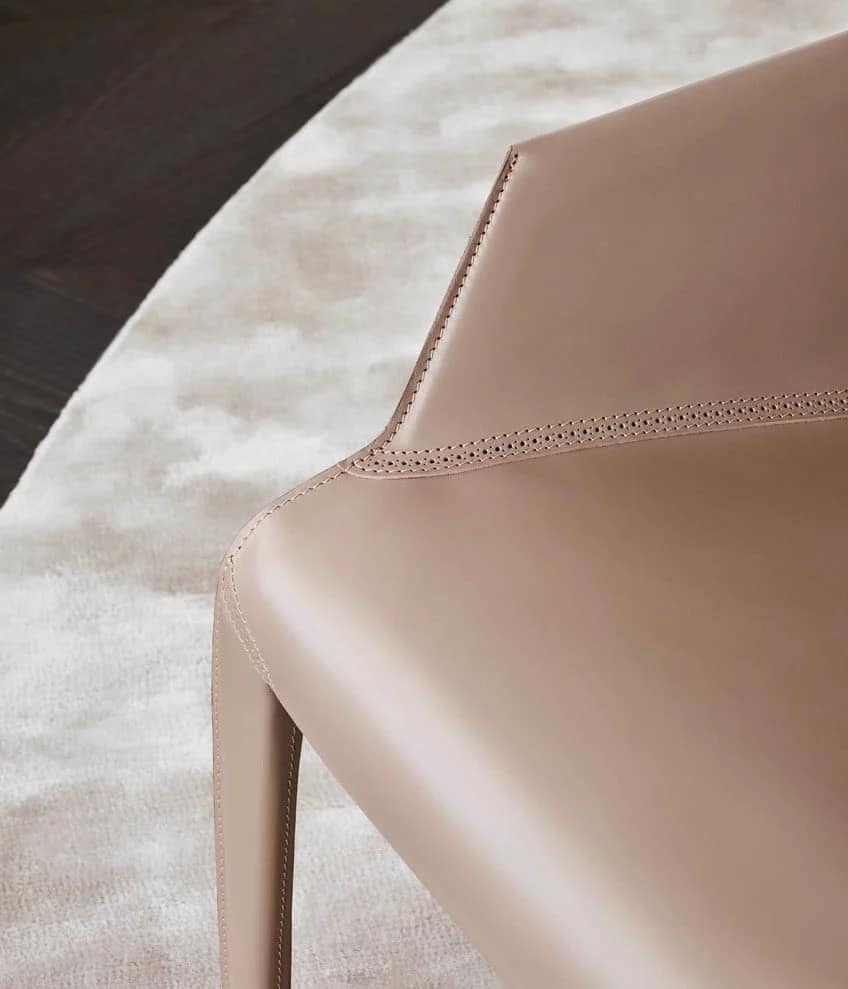
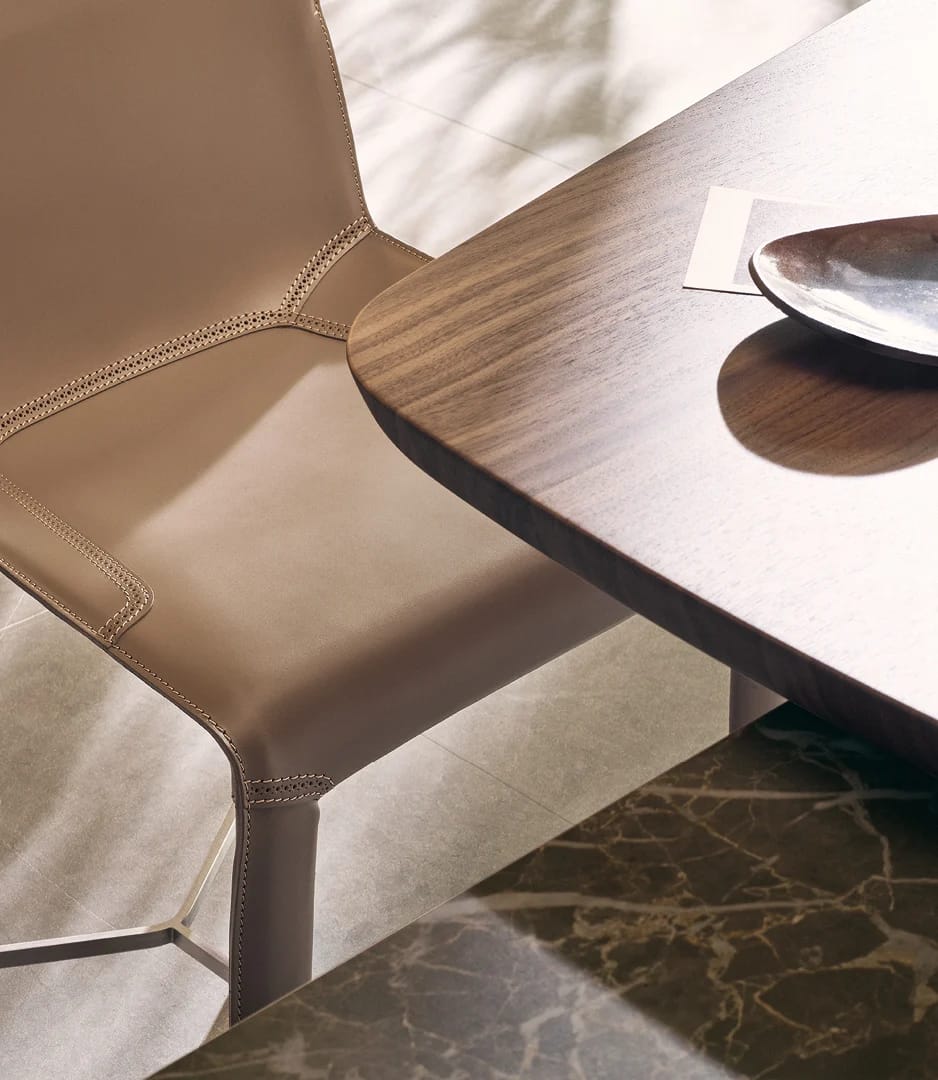
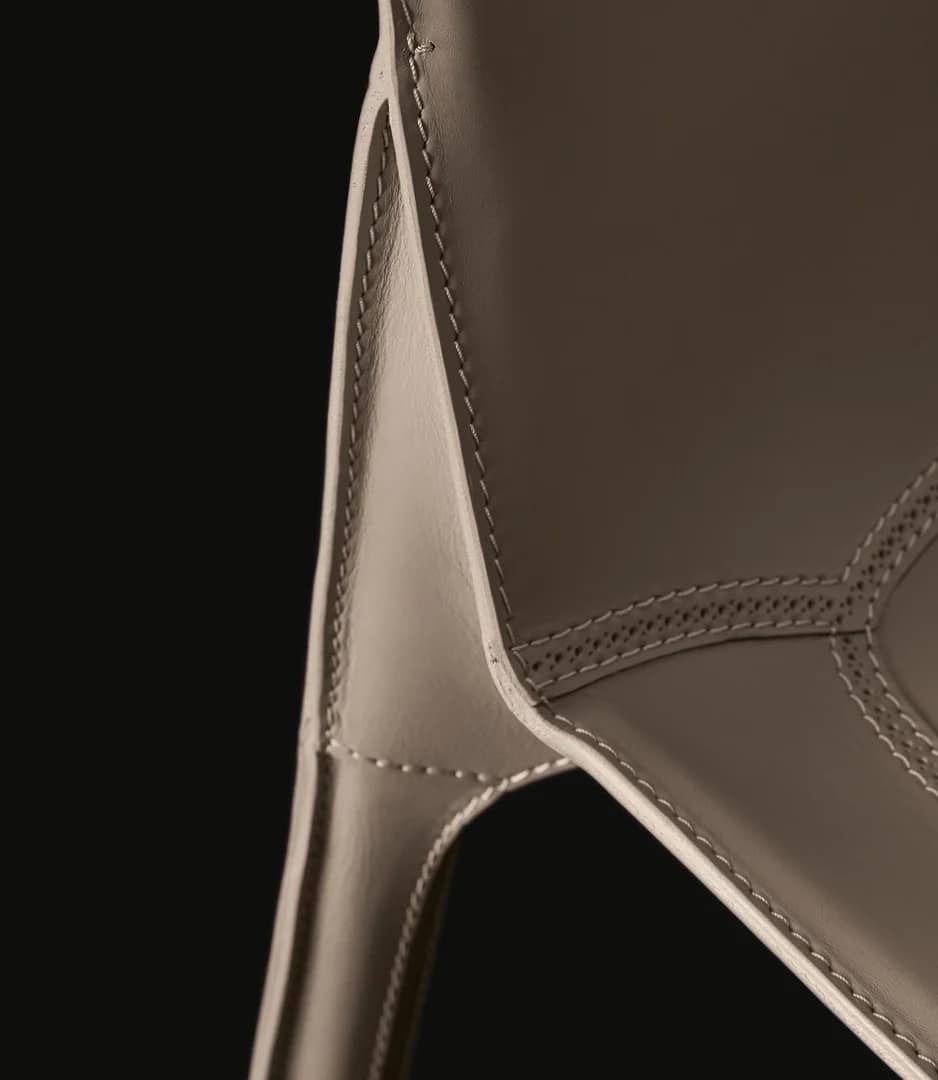
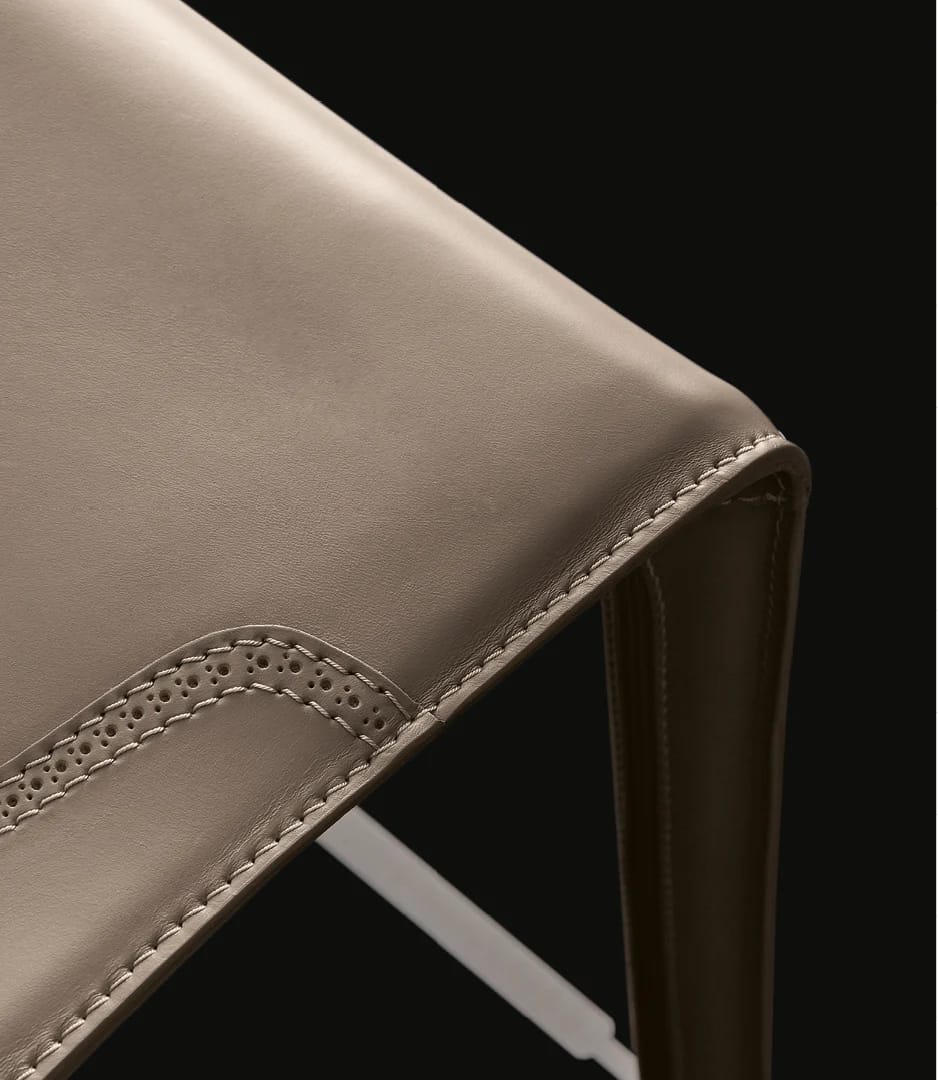
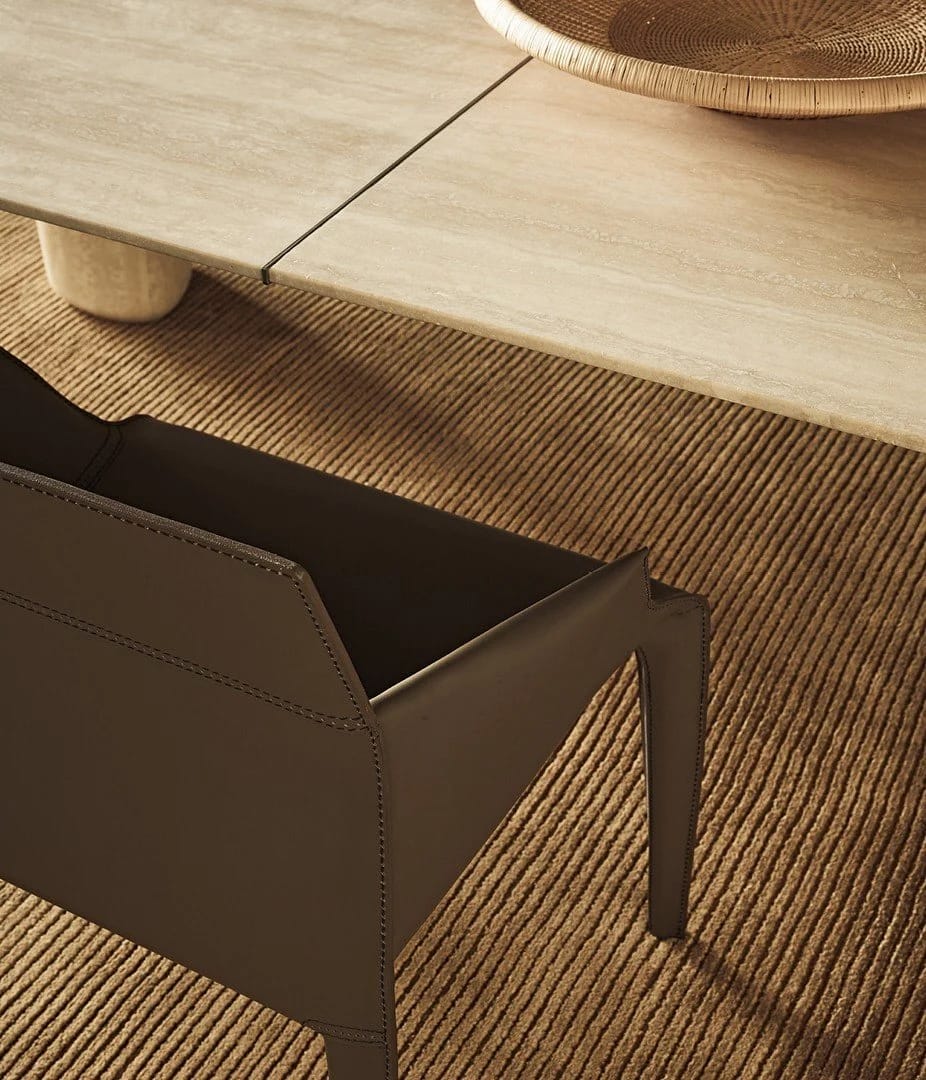
Contemporary design, inspired by tradition. The Seattle chair stands out for the careful craftsmanship of its leather upholstery, with broguering stitching and punching inspired by traditional elegant British footwear. A unique product that makes attention to detail its special feature. The legs are upholstered in leather, as are the seat and backrest that act as a shell to offer a superior level of comfort.

slide 1
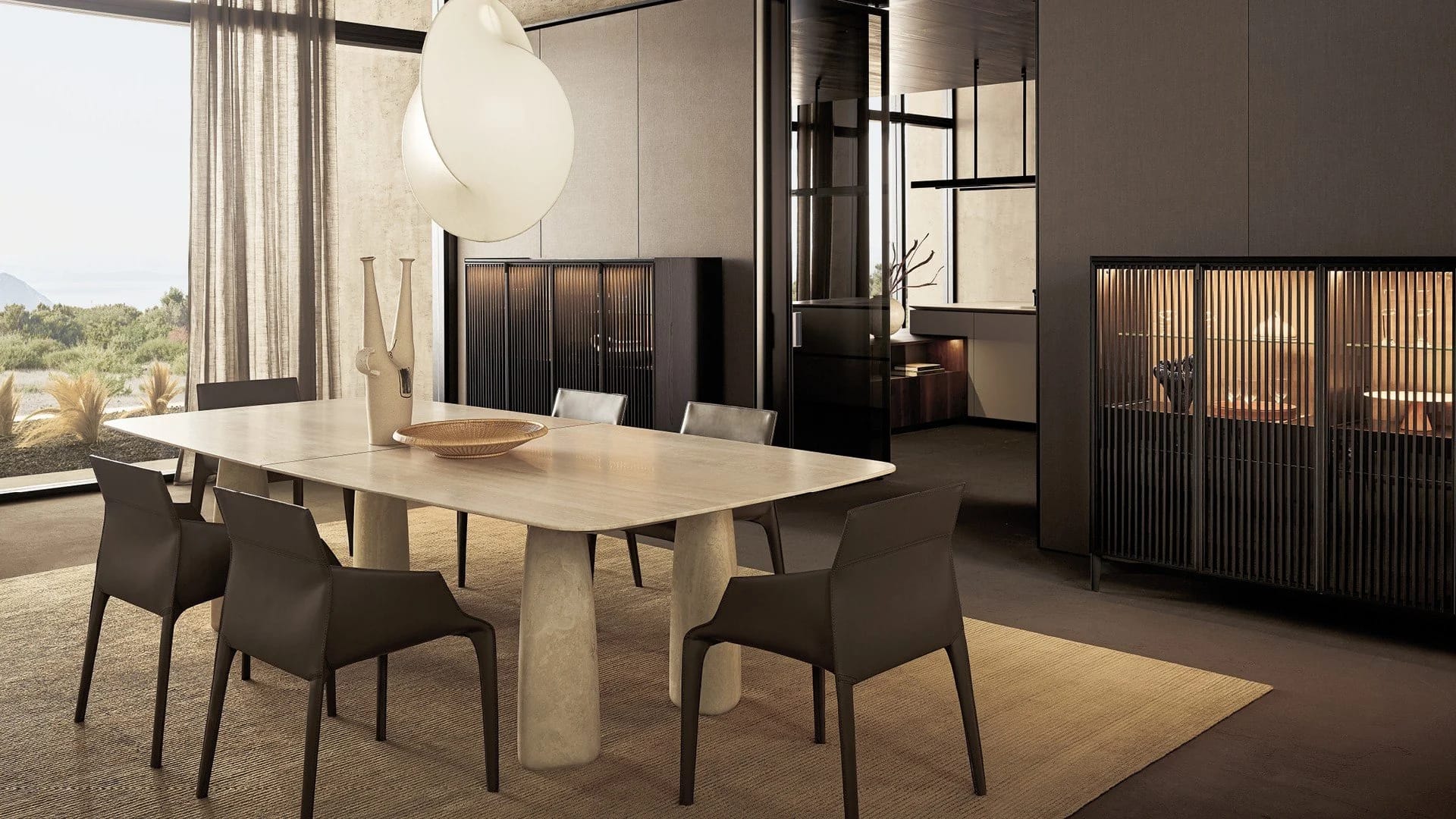
Tables

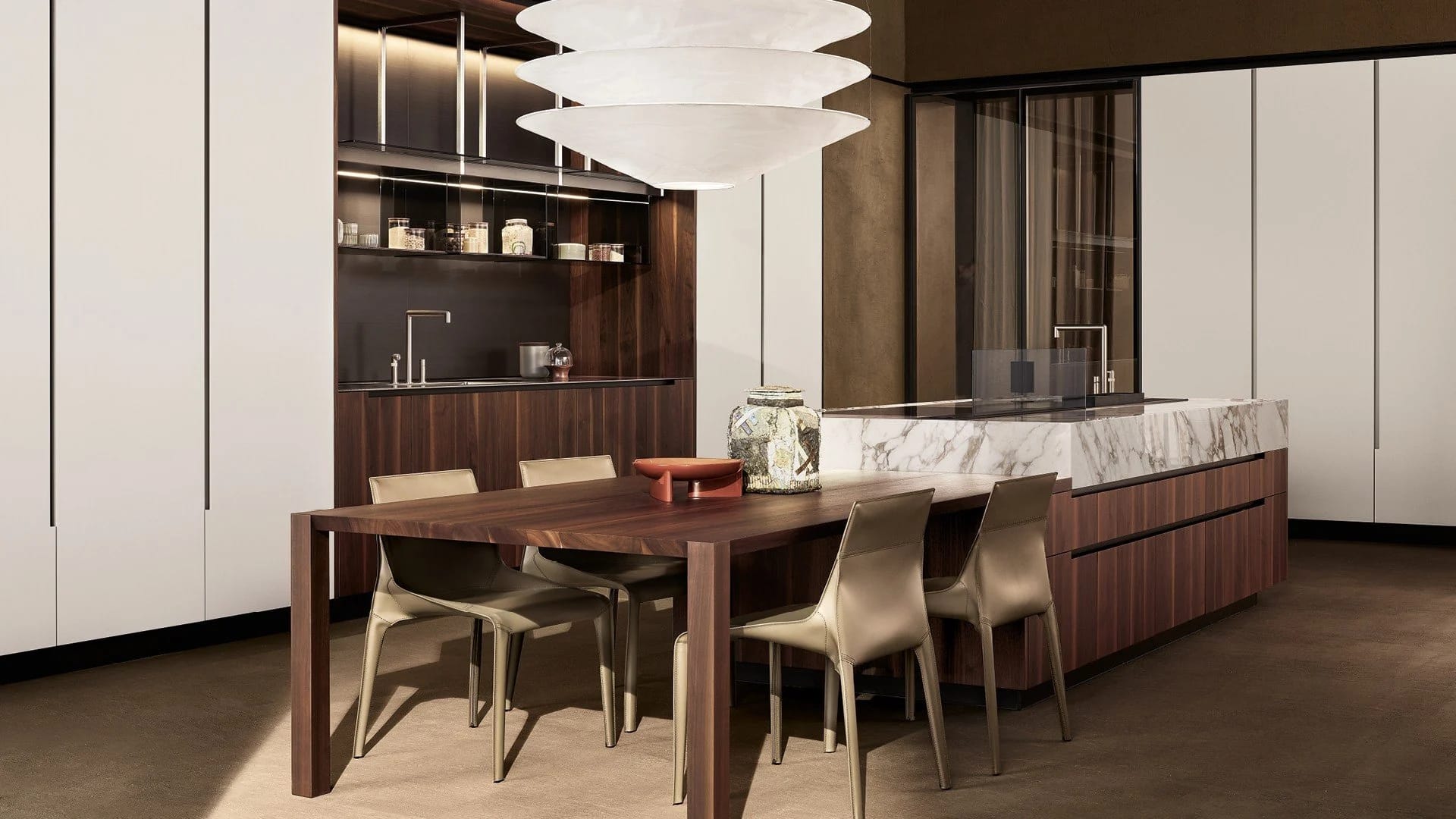
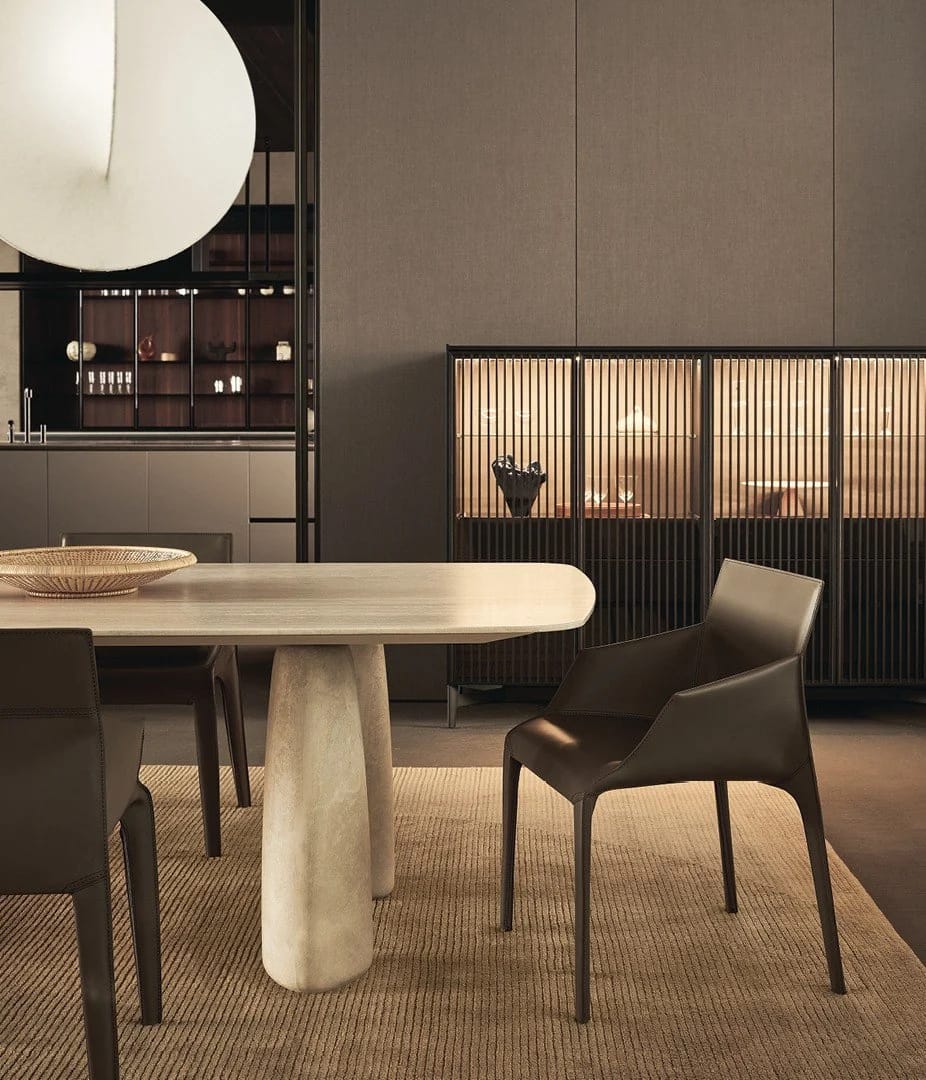
Monolith table in closed-pore travertine marble. Matt champagne metal insert.

Chairs

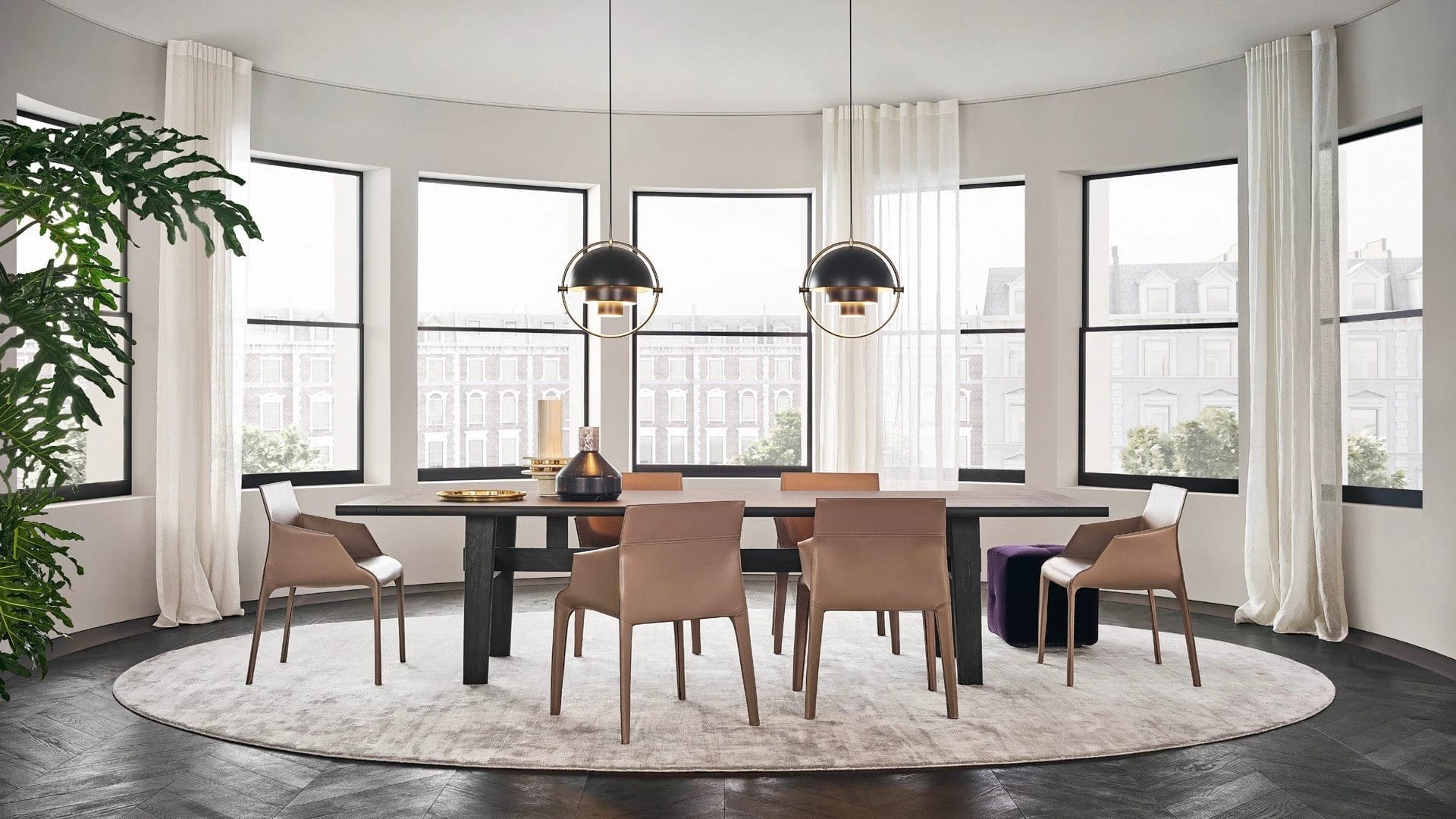
Seattle chairs with armrests, seat and legs upholstered in 08 fango non-removable leather.

Sideboards

Code sideboard with Tape slatted doors in black elm and clear glass, handle in matt slate. Internal structure in black elm with back in grey linen fabric, transparent glass shelves, integrated LED light. Polished Sahara noir marble base with polyester finish, black elm sides and base with matt slate feet.

Boiserie

Boiserie Surface dark linen fabric and matt slate profiles.

Rugs

Relief camel rug.

TECHNICAL DETAILS

SEATTLE CHAIR

SEATTLE CHAIR

TypologyChair
Seat/ BackrestHide cover with metal element, under seat in integral polyurethane
Final CoverNot removable hide
LegsSolid wood or covered in hide
FeaturesPerimeter decorative punching (broguering)
Width53 cm
20 3/4"
Depth55 cm
21 3/4"
Height79 cm
31"
Width56 cm
22"
Depth55 cm
21 3/4"
Height79 cm
31"
Width53 cm
21 1/4"
Depth55 cm
21 3/4"
Height79 cm
31"
Width56 cm
22"
Depth55 cm
21 3/4"
Height79 cm
31"
STRUCTURE FINISHES▾
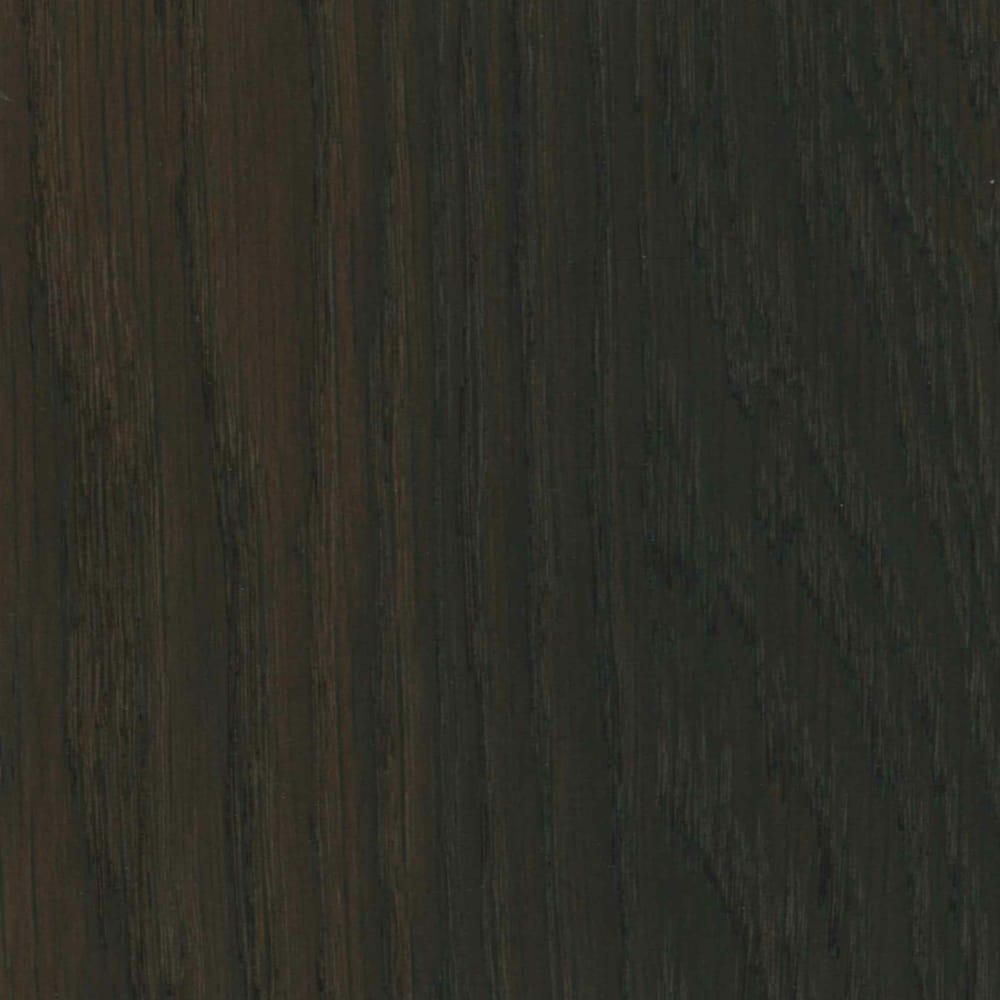
▾ Wood Spessart oak
Spessart oak
Spessart oak
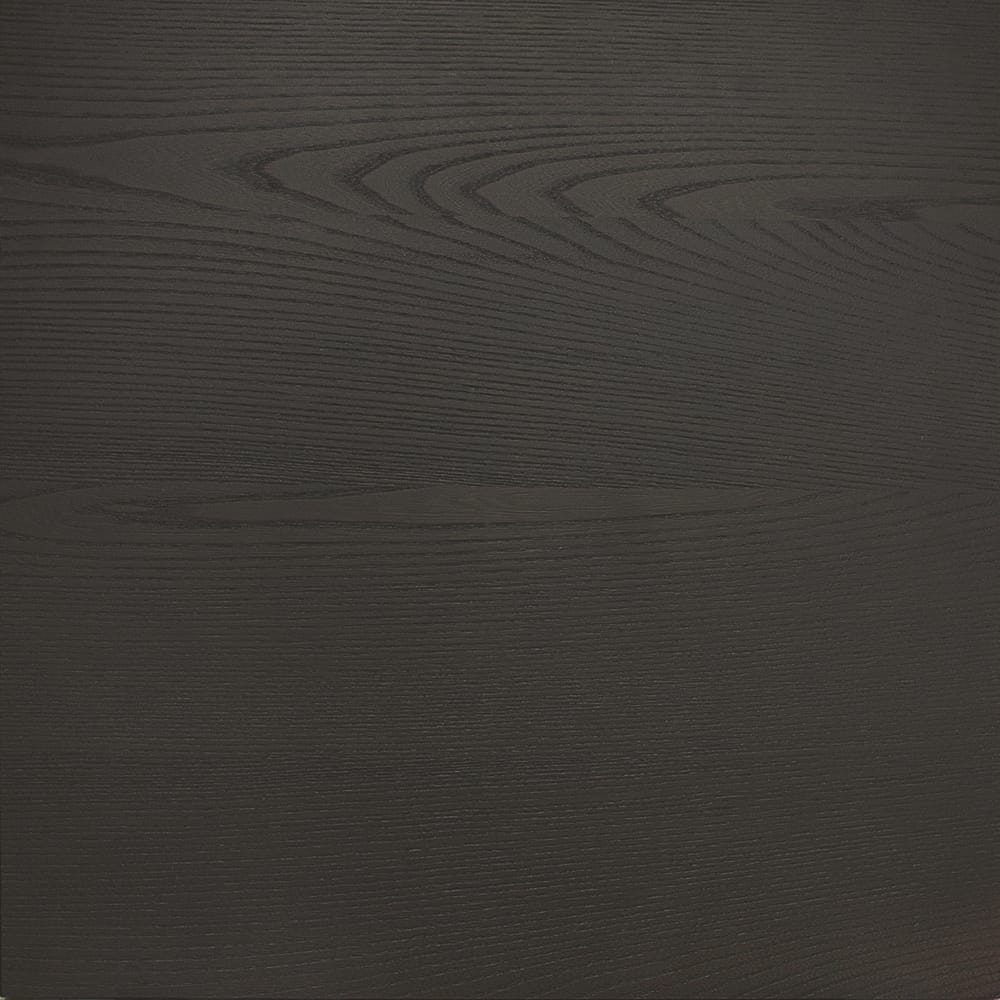
Black elm
Black elm
SEAT AND BACKREST FINISHES▸
▸ Hide
02 Nero
02 Nero
07 Castagna
07 Castagna
08 Fango
08 Fango
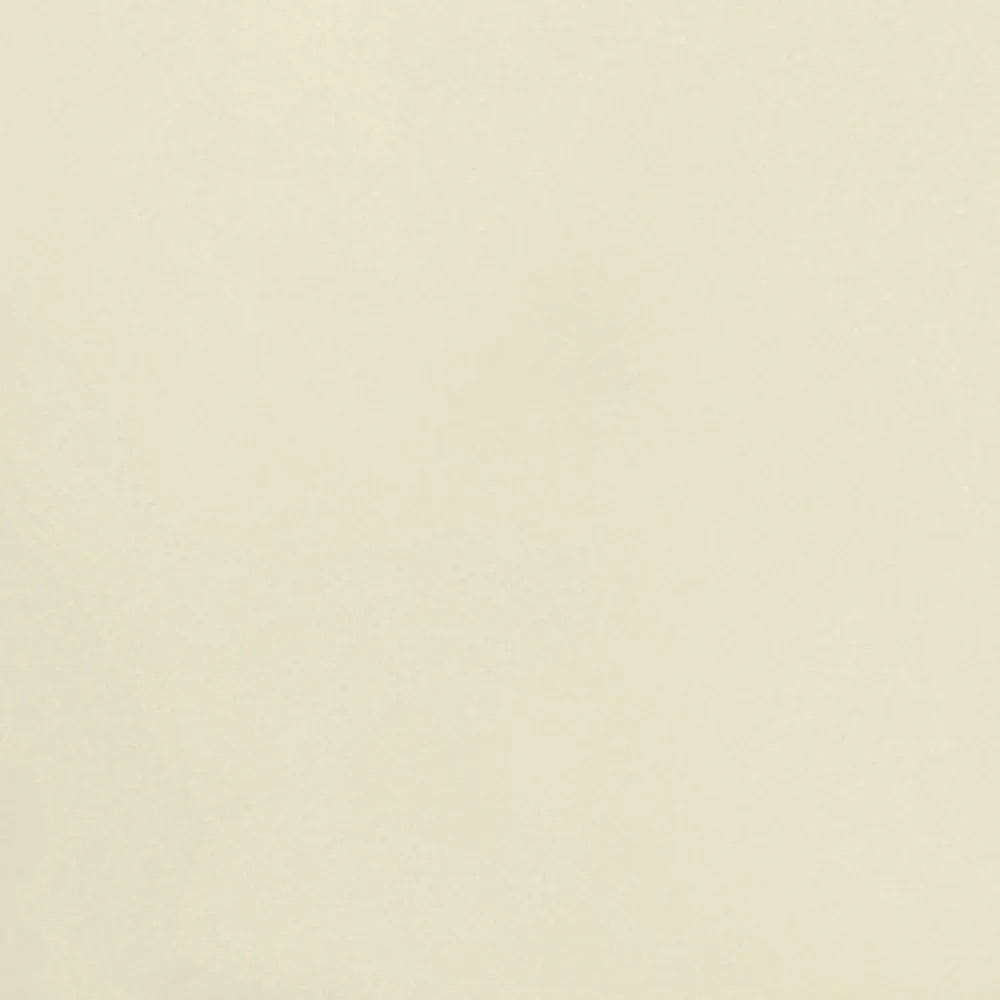
09 Burro
09 Burro
19 Caffé
19 Caffé
26 Invecchiato
26 Invecchiato
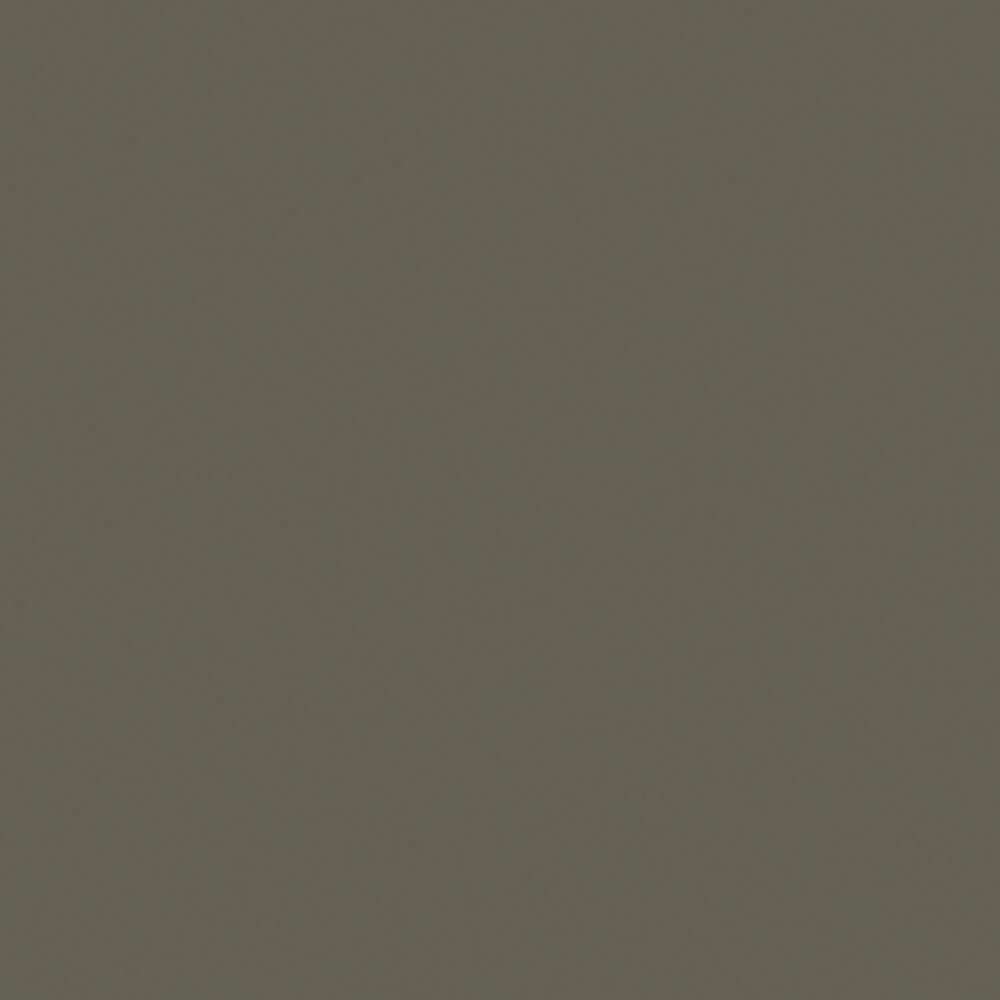
29 Tortora
29 Tortora
CERTIFICATE OF WARRANTY ∧
The Poliform warranty
Our warranty is valid for 2 years from the date of purchase and covers all manufacturing defects. The warranty period enters into force from the date printed on your receipt or sales slip. You may be asked to present proof of purchase when requesting service. The warranty is non-transferable and is valid only for the original purchaser. It covers repair or replacement of unusable or defective parts free of charge during the warranty period after inspection and acceptance by Poliform or its agent. Natural variations in the colour of the wood, changes in colour under ambient or artificial light, slight variations in dimensions owing to high humidity or dry conditions and the grain of wood, knots or other natural characteristics of wood products are not covered by the warranty. As to suede and leather, occasional natural marks, wrinkles, changes in brightness and tone, specks and slight imperfections folds due to extension after regular use, are not considered defects but are the distinctive traits of natural and authentic products. In some cases (aged-looking leather and nubuck leather, above all with light colours), these features are especially marked, as the kind of tanning for these leathers tends to point out the pureness of the product and not to cover it with painting or pressure print. Some types of fabric show features due to the composition and the kind of manufacturing that aren’t to be considered as defects.
For example: “staple” or “streaked” and “crumpled effect” for linen ”spotted effect” or “curl” , the ”light/dark effect” and the ”imprint effect” for velvets and chenille. In fabrics, suedes or leather, each production lot can present slight variations in colour as compared to samples or products produced in the past. The warranty excludes damage resulting from careless or incorrect furniture installation, potential damage from accidents such as that resulting from a fall, impact, natural disaster, fire and, in any case, all defects that cannot be attributed to defects in the manufacture of the product. Moreover, the warranty is not valid in the event that our products are disassembled, modified or repaired by anyone other than authorised Poliform personnel. Damage due to poor upkeep or improper use of the product are not considered defects of manufacture. You will find useful recommendations in the instruction booklet regarding the use and care of your product. If you have any doubts or require further information, consult the Poliform reseller where your product was purchased. For any situation not expressly covered by this warranty. Legal provisions shall apply.
Safety standards
Poliform uses EPF-S E0.5 classified wood particle panels, the safest available in compliance with European standards EN 120 and EN 717-2, as well as the U.S. TSCA Title VI – CARB Phase 2 regulation, governing formaldehyde content and emissions. For lacquered finishes, Poliform exclusively uses polyurethane coatings that are free from heavy metals and volatile organic compounds (VOCs), in accordance with the provisions set out in Annexes to Part V of Italian Legislative Decree 152/2006.
AN OVERVIEW OF MATERIALS ∨
Structural materials
ABS
(Acrylonitrile-Butadiene-Styrene) synthetic thermoplastic resin.
It has good resistance to acids, does not attract dust and does not warp; because of these properties, ABS is used in the manufacture of edging and sheets for surface covering.

Aluminium
Aluminium is a lightweight yet strong metal, characterised by high corrosion resistance and an excellent balance between weight and strength.
Its lightness, combined with its dimensional stability and easy workability, makes it an extremely versatile material.
Aluminium naturally forms a thin oxide film that protects it from the effects of the weather.
Applying a coat of paint can further improve the surface durability, as well as offering a range of aesthetic options and custom colours.

Stainless steel
Stainless steel is mainly composed of iron, chromium and nickel, with a small amount of carbon and other light elements.
Its main characteristic is its resistance to corrosion and mechanical stress.
Painting not only provides the final colouring but also protects the material from corrosion and scratches.

Bronze
A metal alloy consisting mainly of copper and tin, with a characteristic reddish-brown colour.
It is characterised by high corrosion resistance and good hardness, as well as excellent casting properties: qualities that make it ideal for technical components, decorative elements and artistic objects.
Bronze is mainly processed through casting, mould casting and subsequent machining, which ensure a high degree of precision and versatility.

Metal/glossy/mat lacquers
Wooden fibre panels, with a melamine-faced or polyester-coated front surface, subsequently lacquered on both sides with high molecular weight polyurethane-based paints.
The panel is dimensionally stable.

Solid wood
The subcortical section of a tree trunk, near the innermost, darkest rings, also known as heartwood.
The term “solid wood” refers to genuine wood, the highest quality kind, as opposed to panels made from wood particle board or plywood

Melamine
A thermosetting synthetic resin produced by the polycondensation of formaldehyde.
It is a colourless, odourless resin that is resistant to water, chemicals, abrasion and heat and exhibits considerable transparency to light.

Brass
A metal alloy consisting of copper and zinc, with a golden-yellow colour.
It is notable for its good workability, corrosion resistance and acoustic properties, making it suitable for both technical components and decorative applications.
Brass is processed using techniques such as rolling, drawing and stamping, which enable it to be used in a wide range of industrial and design products.
Medium-density fibre panel in wood (MDF)
A panel made of wood, consisting of wood fibres or bundles of wood fibres obtained by high-temperature thermomechanical defibration.
The fibres are bonded together using thermosetting synthetic resins.

Panel of wooden particles (particleboard)
A panel made of wood particles (shavings, fragments, etc.) bonded together using thermosetting synthetic resins and hot-pressed.
Particleboard is made from lower-grade wood and by-products of other manufacturing processes; for this reason, it is a very environmentally friendly product.

Plywood
A wood-based panel consisting of more than three layers of wood veneers stacked so that the grain of adjacent layers is at right angles to one another.

Melamine panel
A panel composed of wood particles and covered with cellulose-based materials (paper), polymer films (PVC, ABS, etc.) or melamine resins.

Honeycomb panel
A panel produced by gluing two sheets of plywood (usually 4 mm thick) onto a frame of spruce battens or other common timber. The outer surfaces may be veneered or lacquered.
Large panels feature vertical plywood slats within the cavity to stiffen the surface.
This construction method allows for the creation of panels that combine strength and lightness, making them ideal, for example, for wardrobe doors.

Veneer or sliced wood
Veneers are thin sheets of wood with a thickness ranging from 0.3 to 0.30 millimetres.
The term “sliced” derives precisely from the fact that the log is sliced by a blade which, without producing sawdust, cuts the log lengthways.
The veneers are joined together and then glued and pressed onto less valuable wood and/or raw panels of any kind (plywood, chipboard, blockboard, plywood, honeycomb panels, etc.).
Veneered wood allows for the production of wooden items that are more stable, less susceptible to woodworm, more uniform in appearance, and where greater care is taken in selecting the visible parts.
The use of wood veneers also helps to meet the requirements of environmentally sustainable timber resource management.

Glass
Ordinary glass consists almost entirely of silica, the same component as quartz.
In its pure form, glass is transparent, relatively hard, virtually inert from a chemical and biological point of view and has a very smooth surface.
Glass for interior design is available in a wide range of finishes and colours.
Its inherent fragility can be overcome through chemical treatments (by adding other minerals to the mixture) or physical processes, such as tempering.

Tempered glass
Glass that has undergone a tempering process, i.e. heated to 640° and rapidly cooled with jets of air during manufacture.
This method produces a sheet of glass with high internal stresses, great hardness and high brittleness.
If broken, tempered glass produces non-sharp fragments.
Padding
Down
Padding made from the plumage of waterfowl, particularly geese.
Down is an excellent thermal insulator; it allows the body to breathe naturally, absorbs moisture and allows it to evaporate slowly, ensuring an ideal microclimate for the body.
Feathers are hypoallergenic: dust mites, the main cause of allergies, avoid feathers and prefer wool and cotton. They can withstand pressure equivalent to 80,000 times their own weight and return to their original shape perfectly.

Eiderdown
Padding made from the plumage of waterfowl. The down takes the form of a small tuft, consisting of a central shaft (quill) from which numerous barbs extend. It is the finest part of the plumage, found under the wings, on the belly and under the neck, and serves to provide thermal insulation.
Eiderdown offers exceptional thermal insulation combined with remarkable lightness: for example, just 5–6 grams of down is enough to fill a volume of 1 cubic decimetre, whereas wool and polyester require two or three times that amount.
From a physical point of view, heat retention depends on good insulation from the outside, which is achieved primarily through the air and secondarily through the internal materials used.
Eiderdowns are the ultimate natural insulators, as they are able to absorb and hold large volumes of air within their countless air pockets.
Eiderdown also offers excellent resilience, compressibility and hygroscopicity, absorbing moisture and releasing it to the outside, with significant physiological benefits for the human body.

Co-moulded polyurethane with leather finish
The process is very similar to that used for moulded polyurethane, but by using special moulds developed in-house, we can produce a product with a leather finish during the moulding process.
Expanded polyurethane
A solid, elastic polymeric material with an open-cell structure.
As far as is currently known, flexible polyurethane foams are toxicologically inert. They are combustible and must therefore not be exposed to sources of ignition.
The polyurethane foam used in sofa padding has different densities: in other words, it has a higher concentration of cells in the areas most subject to weight bearing.

Compact polyurethane
Using cold-moulding technology, polyurethane foam can be shaped into any form.
Thanks to the material’s shape memory, once the moulding process is complete, the resulting shape remains unchanged.
By carefully balancing the components, it is possible to achieve the right level of softness to suit every comfort requirement. The structural elements of the seat can also be incorporated into the mould, thereby creating self-supporting assemblies.

Double-density compact polyurethane
The process is very similar to that used for compact polyurethane; however, by using special moulds developed in-house with insert components, it is possible to produce a material with two different densities co-moulded together.
Upholstery
Cotton
A plant fibre obtained from the cotton wool that surrounds the seeds of plants of the genus Gossypium.
Cotton fibre does not conduct static electricity, does not felt, is highly hygroscopic, does not irritate the skin, is hypoallergenic and can be ironed at high temperatures.
After linen and wool, cotton is the oldest textile fibre. The length of the fibre determines its quality: the longer it is, the more lustrous, durable and valuable the cotton is.

Chenille
Chenille is a yarn or fabric characterised by a shaggy, soft and velvety appearance. It is created by wrapping short threads around two stronger central threads, and can be made from a variety of fibres, including cotton, viscose,
wool, silk or synthetic materials. Unlike velvet, it has longer and wider tufts, which create this more pronounced “shaggy” effect.

Hide
A protein-based membrane derived from cattle and treated to make it durable.
The process is known as tanning and involves the removal of the outermost layer and the subcutaneous connective tissue (hypodermis). The most important layer is the dermis, which consists of bundles of connective and elastic fibres.
The upper layer of the dermis, known as the grain, is what defines the finest quality leather, which is referred to as ‘”full-grain”.

Artificial and synthetic chemical fibres
Artificial chemical fibres are produced by treating the natural cellulose found in various plants (the same substance that makes up plant fibres), which is suitably processed and dissolved in solvents, and then spun into textile fibres in the form of continuous filaments or staple fibres.
The family includes: modal, acetate, cupro, lyocell and viscose.
Synthetic chemical fibres are fibres derived from synthetic organic substances that are polymerised to form long molecular chains (macromolecules), which can be spun into continuous filaments or staple fibres (discontinuous fibres).
This family includes: acrylic, modacrylic, polyamide, polyester, polypropylene and polyurethane.

Wool and cloth
A natural textile fibre obtained from the fleece of sheep and camelids. Thanks to its unique structure and the dense crimp of its fibres, it possesses excellent hygroscopic properties (absorbing up to 30% of its weight in moisture), as well as high thermal insulation, elasticity, and resistance to wear and flame.
The fabric commonly known as cloth is a carded wool yarn that has always been fulled; it may also be brushed.

Linen
A composite plant fibre derived from the bast (outer bark) of Linum usitatissimum, consisting of approximately 70% cellulose. It is a cool, hard-wearing and soft fibre.
Thanks to its unique molecular structure, linen can absorb up to 20% of its weight in water without the body feeling damp: a characteristic that makes it ideal for fabrics that come into contact with the skin.
In particular, its hypoallergenic, breathable and anti-static properties make linen the ideal material for bed linen.

Polyamide (nylon)
A synthetic fibre obtained from linear macromolecules containing recurring amide bonds in their chains, at least 85% of which are linked to aliphatic or cycloaliphatic groups.
It is used in both continuous filament and staple fibre forms. It offers high resistance to breakage, deformation (excellent elastic recovery) and abrasion.
It ensures easy care (washing, drying, no ironing required), excellent dye-take and is crease-resistant.

Mixed fabrics
Two or more different fibres can be used in the same fabric: for example, cotton and wool, wool and acrylic, etc.
These mixed fabrics have different characteristics depending on the fibres they are made of and the proportion of each. Generally speaking, mixed fibres allow the resulting fabric to retain the key qualities of its constituent fibres: for example, blending cotton with synthetic fibres increases its resistance to creasing.

Velvet
A fabric in which the weft threads are distributed very evenly, with a dense, short pile, giving it its distinctive feel.
It is woven on a special frame that weaves two pieces of velvet at the same time.
The two sections are then cut, and the two lengths of fabric are wound onto separate take-up rollers.
Velvet can be made from many different types of fibres, mainly silk and cotton.

Modacrylic
A synthetic fibre that derives from a macromolecule composed of at least 50% acrylonitrile and is generally available in floccules. It is highly flame retardant and feels much like acrylic fibre to the touch. Moreover, it is resilient, shape retentive, fade and wash resistant, has a soft hand, is durable and dyes easily to bright shades, is chemical-resistant, easy to care for, insulating and non-toxic.

Viscose
Regenerated fibre, produced from wood shavings and waste from cotton spinning. A cellulose yarn available as filament or staple fibre (also known as rayon).
It has a texture very similar to that of silk, the comfort typical of plant-based fibres, good wear resistance (when dry) and high moisture-absorbing capacity.
It is also used in combination with other natural or synthetic fibres.

Leather
A protein-based membrane derived from cattle and subjected to a tanning process. It is thinner and lighter than leather.
General considerations.
Leather, as the word itself suggests, is derived from the skin of animals, which consists of several layers and is originally about 1 cm thick.
Quality.
When we talk about the grain, we are referring to the outermost layer of the epidermis, which retains the natural characteristics of the grain, veining and softness (to a greater or lesser extent). The size of the grain does not determine the quality of the leather; rather, it stems from aesthetic choices. In case of more economical leathers, inner layers are used, which are processed to reproduce the natural characteristics of the leather (sanding and pressure-stamping of the grain).
Origin.
Leather from Europe is undoubtedly preferable to exotic or overseas leather (which tends to have more flaws, such as scars and insect bites, due to the animals being reared in the wild)
Mineral tanning.
Tanning, a process designed to protect leather from natural decomposition, also serves to enhance its softness, colour, lustre and sheen. It is usually carried out using chromium salts, and only in cases of high-quality leather is vegetable retanning used, to achieve the most natural effect possible.
Dyeing.
Dyeing, which is used to produce all the different colours from the natural one, is carried out by immersing the hides in vats containing the dye: in our case, we always use aniline dye, ensuring the dye penetrates the entire thickness of the hide (which is preferable to surface dyeing). Drying. Drying is normally carried out on racks in ovens, but for the finest hides it is done naturally in the open air.
Grain.
“The natural grain (not printed) and the absence of grindings (a sort of smoothing) show the use of full-grain leather of a quality that does not need
correction and refining operations.”
Finishing.
“The best final finishing that then determines the aspect of the leather is that with aniline, which has a more natural aspect but also a more delicate and soft
touch. The finishing with polyurethane resins guarantees instead great uniformity and resistance.”
Thickness and dimension.
Greater thickness determines a better leather and bigger dimensions are to be preferred, as there are less wastes.
Leather Spring category P
European origin, Bovine leather, With chromium salts, Through dyeing, Vacuum drying, Pressed grain, Grinded, Finished with polyurethane resin, Thickness 1,0/1,2 mm, Average size 4,5/5,0 sqm

Leather Special category X
European origin, Bovine leather, With chromium salts, Through dyeing, Natural thin grain, Slightly corrected, Pigmented finish, Thickness 1,3/1,5 mm, Average size 5,00/5,50 sqm

Leather Deep category X
European origin, Adult bovin leathers, With chromium salts, Aniline drum dyeing, Frame drying, Pre-moulded natural grain, Finishing with fine pigment dispersions and waxes, Thickness 1,8/2,0 mm, Average size c.a. 5,00/5,50 sqm

Leather Suede category X
European origin, Adult bovin leathers, With chromium salts, Aniline drum dyeing and refinishing for colour correction only, Thickness 1,2/1,4 mm, Average size c.a. 1,80 sqm.

Leather Colors category S
European origin, Bovine leather, With chromium salts, Through dyeing, Natural thin grain, Not grinded, Finished with polyurethane resin, Thickness 1,0/1,2 mm, Average size 5,00 sqm

Leather Silk category S
European origin, Adult bovin leathers, With chromium salts, Through dyeing, Frame drying, Natural/full grain, Light water-based finish, Thickness 1,3/1,5 mm, Average size c.a. 5,00 sqm

Leather Nabuk category Y
European origin, Bovine leather, With chromium salts, Aniline drum dyeing, Natural drying, Natural grain, Grinded, 3M Scotchgard, Thickness 1,1/1,3 mm, Average size 5,00/5,50 sqm

Leather Soft category Y
European origin, Bovine leather, With chromium salts, Aniline drum dyeing, Frame drying, Natural/full grain, Natural/full grain, Thickness 1,5/1,7 mm, Average size c.a. 5,00 sqm

Leather Natural category Y
European origin, Bovine leather, With chromium salts, Aniline drum dyeing, Frame drying, Smooth finish, Finish in aniline and wax, Thickness 1,1/1,3 mm, Average size c.a. 5,00 sqm

Leather Hairy
European origin, Bovine leathers with hair, With chromium salts, Drum dyed, Thickness 1,4/1,5 mm, Average size 1,6 – 2,00 sqm

Leather Ermitage category W
European origin, Bovine leather, With chromium salts, Aniline drum dyeing, Frame drying, Smooth finish, Finish in aniline, Thickness 1,4/1,5 mm, Average size c.a. 4,40 sqm

Tecnocover
It is a composite material, consisting of 20% leather offcuts, 55% polyurethane and 25% cotton.
The offcuts from natural leather production are finely shredded and mixed with rubber, latex and other synthetic binders.
Sheets of regenerated leather can undergo various finishing processes designed to make them as similar as possible to the corresponding natural version.
Of particular importance is the embossing process, in which the material is stamped using a specific pattern that mimics the grain of natural leather.
Care Instructions ∨
Recommendations to keep your product looking its best over the years
The following instructions, categorised by material, will advise you on the best way to care for your Poliform furniture over time. Please use only the recommended cleaning products and, as a general rule, avoid detergents that are too harsh or abrasive: this will ensure you can enjoy Poliform’s quality for many years to come.

Care of melamine lacquer panel
We advise to use a neutral detergent.
Avoid products containing acetone, chlorine, thinner or abrasive cleaners.

Care of lacquered components
We advise to use a neutral detergent. Avoid products containing acetone, thinners, ammonia, abrasive detergents or furniture wax.
Warning: during initial cleaning, the cloth may pick up some colour.
This is a physiological phenomenon and is linked to the presence of paint powders that come to the surface during the drying process: once it is eliminated, you won’t see it again.

Care of wood and wood veneer parts
We advise to use a neutral detergent.
Avoid products containing acetone, thinners, ammonia, abrasive detergents or furniture wax.
Caution: the surface of the wood is treated to resist moderate amounts of grease and dirt.
In addition, surface coatings contain water-resistant and anti-yellowing agents. However, avoid exposing surfaces to scoring or high temperature.

Care of metal structural components
We advise to use a neutral detergent. For metal parts, simply wipe down periodically with a damp cloth. Avoid products containing acetone, thinners, ammonia, abrasive detergents or furniture wax.

Care of glass panels
Use vinegar diluted in abundant water or glass cleaning products.
Warning: in the event that glass is mounted in an aluminum frame, avoid alcohol or ammonia, which may damage the frame.

Care of hinges, drawer slides and metal parts
Lubricate with any product widely available on the market.
Use lubricant periodically on hinges and drawer slides before cleaning to remove possible dust.
For metal parts, simply wipe down periodically with a damp cloth.
Avoid any kind of abrasive cleaning product.

Care of tops in marble and stone
Clean with water using a cloth or sponge.
Marble is a material to be clean with extreme delicacy: it is porous and can absorb liquids resulting in stains.
“Poliform surfaces are treated with a special anti-stain and anti-oil product; nonetheless, spills of wine, coffee, lemon, vinegar and other products containing
aggressive agents must be wiped up immediately.”
To maintain surfaces in good condition, a regular treatment with typical products for cleaning and maintenance of marble, ensuring that these products are neutral and specific for the finish of your marble glossy or polished.
Do not under any circumstances use abrasive or aggressive products, acidic detergents, bleach, abrasive paper or steel wool.

Care of cedar wood
In order to avoid any kind of problems due to spots and absorption of the resin contained into the cedar wood, please do not position any products on to carpets or soft surfaces which do not allow a suitable aeration of the base of the product, in particular during the first months of purchase.
Please keep these products in dry, well ventilated places.
Any eventual split or crack are typical of the solid wood and not structural defects.

Maintenance of parts in bronze
Use a felt or soft wool cloth. Apply neutral wax cream only if necessary.
Any possible imperfection is due to the casting process of the product, and not to production defects.

Maintenance of parts in brass
Use a felt or soft wool cloth. Apply neutral wax cream only if necessary.
Any possible imperfection is due to the casting process of the product, and not to production defects.

Ordinary maintenance of upholstery
We recommend using a vacuum cleaner fitted with soft brushes. An adhesive brush may be used from time to time.
To remove a stain, act immediately by dabbing it with a clean cloth to prevent it from spreading.
Most liquids at home (drinks, food) can be removed using lukewarm water and a mild soap.
Please note that when using solvents, these should be applied to a cloth and never directly onto the surface.
Washing of removable covers
We recommend that you follow the care instructions printed on the labels sewn into the upholstery and listed at the end of this certificate of origin and warranty to the letter.
Please note that any fabric washed in water or dry-cleaned may be subject to changes in size, even if washed in accordance with the care instructions.

Water wash (if foreseen)
Wash the turned-out covers. Pre-wash them by soaking them in cold water with four tablespoons of mild soap. Machine wash at 30°C.
For ironing instructions, please refer to the care label on the fabric. Do not spin-dry. Do not use bleach or whitening agents.
We recommend covering the Velcro fasteners when washing the covers, to prevent them from scratching or damaging the fabric.

Dry cleaning (if foreseen)
Please contact specialist companies, ensuring you always include the fabric information provided at the end of this product sheet.
We recommend covering the rigid Velcro sections when washing the covers, to prevent them from scratching or damaging the fabric. Please use the Velcro cover strips provided.

Care of hide cover
Use a felt or soft wool cloth. If necessary, you can use the Poliform leather cleaning towel and then dry the surface with a hairdryer. Occasional stains can be removed if they are wiped up immediately with an absorbent cloth.
Do not rub the stain but gingerly blot starting from the edge of the stain and work inwards.
Avoid any type of aggressive (such as solvents) or abrasive product. Never steam clean. Do not use shoe-cleaning products.

Care of fabric cover
The use of a hoover with soft brushes is recommended. Periodically an adhesive brush can be used.
To remove stains, act immediately by dabbing with a clean cloth and preventing the stain from spreading.
Caution when using solvents, they should be applied on a cloth and never directly on the cover.

Care of leather cover
Ordinary cleaning can be carried out with a hoover fitted with soft brushes, very gently.
Leather surfaces can then be cleaned with a cloth moistened with lukewarm water and wrung out, with the exception of Nabuck leather, which should be dusted with a dry cloth.
Any stains should be removed as quickly as possible using an absorbent cloth. Never wipe too vigorously.
We recommend using the dedicated Poliform leather cleaning kits, following the enclosed instructions. After each treatment, it is advisable to use a hairdryer to dry the leather, gently massaging the surface.
In particular, the “Poliform leather cleaning kit” or disposable towel is supplied, which can also be purchased separately.
Avoid: any type of harsh products (solvents) or abrasives. Do not steam clean. Do not use shoe care products.

For SUEDE and ERMITAGE soles, the cleaning products listed in the catalogue cannot be used.

Care of SUEDE leather covers
As this is suede leather, it should only be treated with a dry cloth and a soft brush.
For any spillage stains, remove immediately with a cloth, wait until the area is completely dry and then treat with a medium/hard bristle brush.
Avoid: any aggressive (solvent-based) or abrasive products. Do not clean with steam. Do not use shoe care products.

Care instructions for ERMITAGE leather covers
This leather is a high-quality selection, characterised by an extremely soft feel and a natural appearance.
Its aesthetic qualities, transparency, depth of colour and the natural texture of the surface are the result of a gentle tanning process that preserves the leather’s authenticity.
For routine cleaning, use only a soft, dry cloth to remove dust, or, if necessary, a soft cloth slightly dampened with water alone
Dab gently without applying pressure and without rubbing
In case of accidental stains, it is important to act promptly and immediately absorb any liquids with a clean, dry cloth, avoiding rubbing the surface.
For oily or greasy substances, it may be helpful to apply a small amount of neutral talcum powder to the affected area, leaving it to work for a few hours so that it absorbs some of the substance.Then gently remove the talcum powder with a soft cloth
For stubborn stains, we recommend consulting a specialist
Avoid: any type of aggressive (solvent-based) or abrasive products. Do not steam clean. Do not use shoe care products, waxes, creams, wipes or products not specifically formulated for aniline leather.

The natural evolution of leather
Slight variations in colour, small natural marks and the gradual change in appearance over time are distinctive features of genuine aniline leather and bear witness to its authenticity and quality.

Care of linen and mesh linen
For regular cleaning, use only a dry white cotton cloth; handle the item with care, using a soft brush to remove dust.
For a more intensive cleaning or to remove stains, use a damp cloth (not soaking wet) with a mild detergent only; treat the surface using gentle circular movements, dabbing the affected area.
Do not rub under any circumstances; always dry with a hairdryer afterwards, moving from the outside inwards.
Avoid aggressive products and abrasive cleansers at all costs.

Care of ecotech
Clean regularly with a pH-neutral soap and a soft brush or cloth.
Always rinse with clean water. Do not use aggressive cleaners, solvents, polishes, waxes, patented chemicals or other non-recommended products.
Some stains, such as biros, coffee, wine and even jeans, must be cleaned immediately to avoid any permanent absorption into the material
Poliform disclaims all liability for problems arising from ignoring cleaning instructions.

Care of cover in Tecnocover
For regular cleaning, use only a dry white cotton cloth.
For a more intensive cleaning, use a damp cloth with a mild detergent, wipe the surface using gentle circular movements, do not scrub and always dry afterwards with a soft, dry cloth.
Avoid absolutely products containing acetone, thinners, ammonia and abrasive cleaning agents.
Disposal
Poliform recommends that you do not dispose of your product in the outdoors. Because of our manufacturing technology and the routine use of recyclable materials, discarded Poliform products can be re-used in the manufacturing process. For this reason, drop off your Poliform product at the waste disposal centres within your municipality.
To facilitate the collection, reuse, recovery and recycling of packaging, we inform you that the packaging is composed as follows: PAP20 carton, PS 06 polystyrene, PELD 04 cellophane, PELD 04 expanded polyethylene (down), FOR 50 wooden boxes, Profiles in Systempack PELD 04.

THE NEW FLAGSHIP STORE IN PIAZZA DELLA SCALA
Poliform moves its center of gravity from Piazza Cavour to the cultural heart of Milan, opening a dialogue between design, art and the city through a new concept destined to inspire the brand’s entire showroom network.

MULTITUDE AT PALAZZO CLERICI

The installation by Milan-based architect Stefano Belingardi Clusoni, with interiors curated by Poliform Lab, is conceived to showcase the heterogeneity of the collections against a backdrop defined by the use of natural materials such as stone, wood and glass, the enhancement of structural elements, and a sinuous light oak staircase that serves as a connecting element between the three floors.

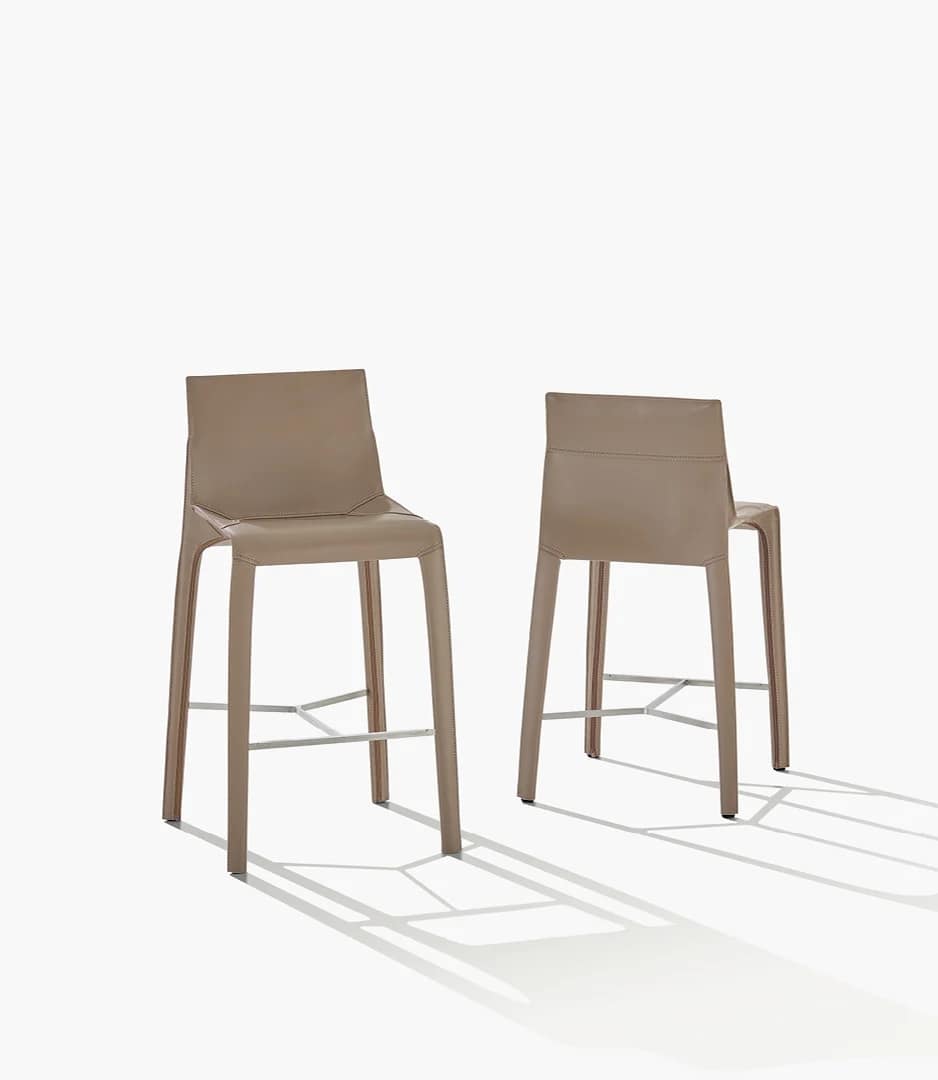
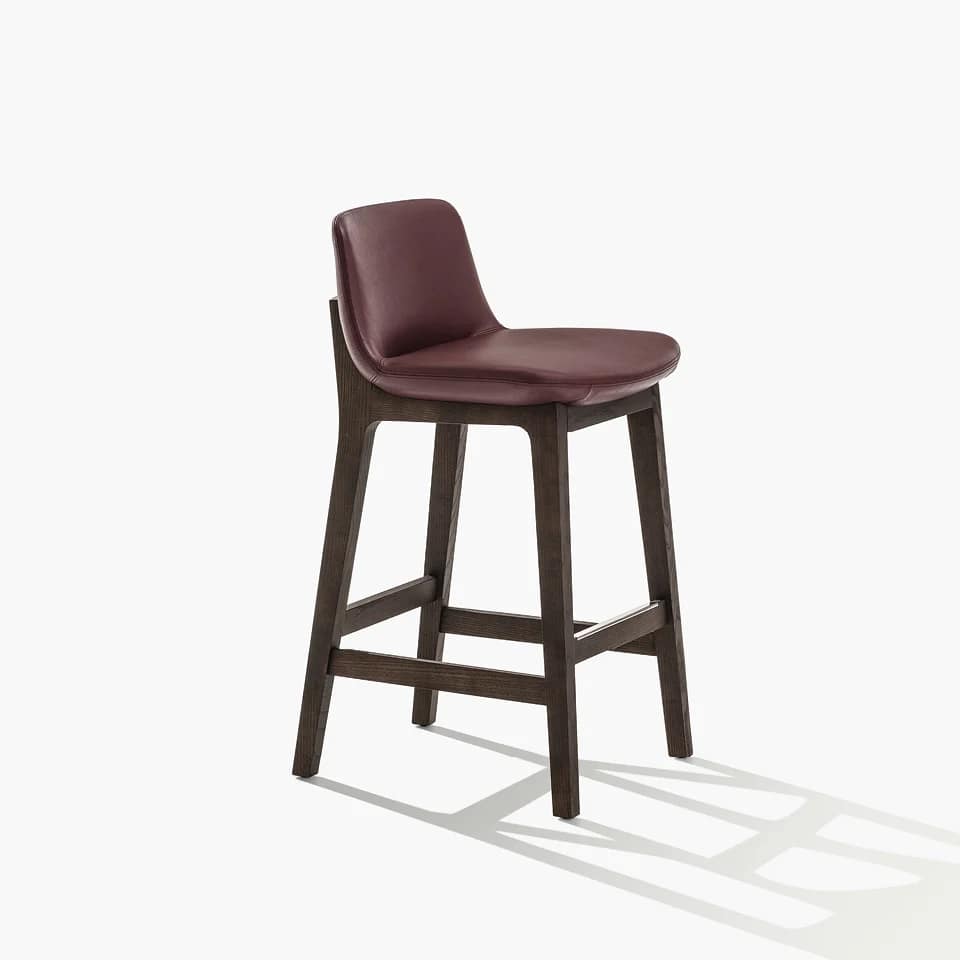
SEATTLE STOOL

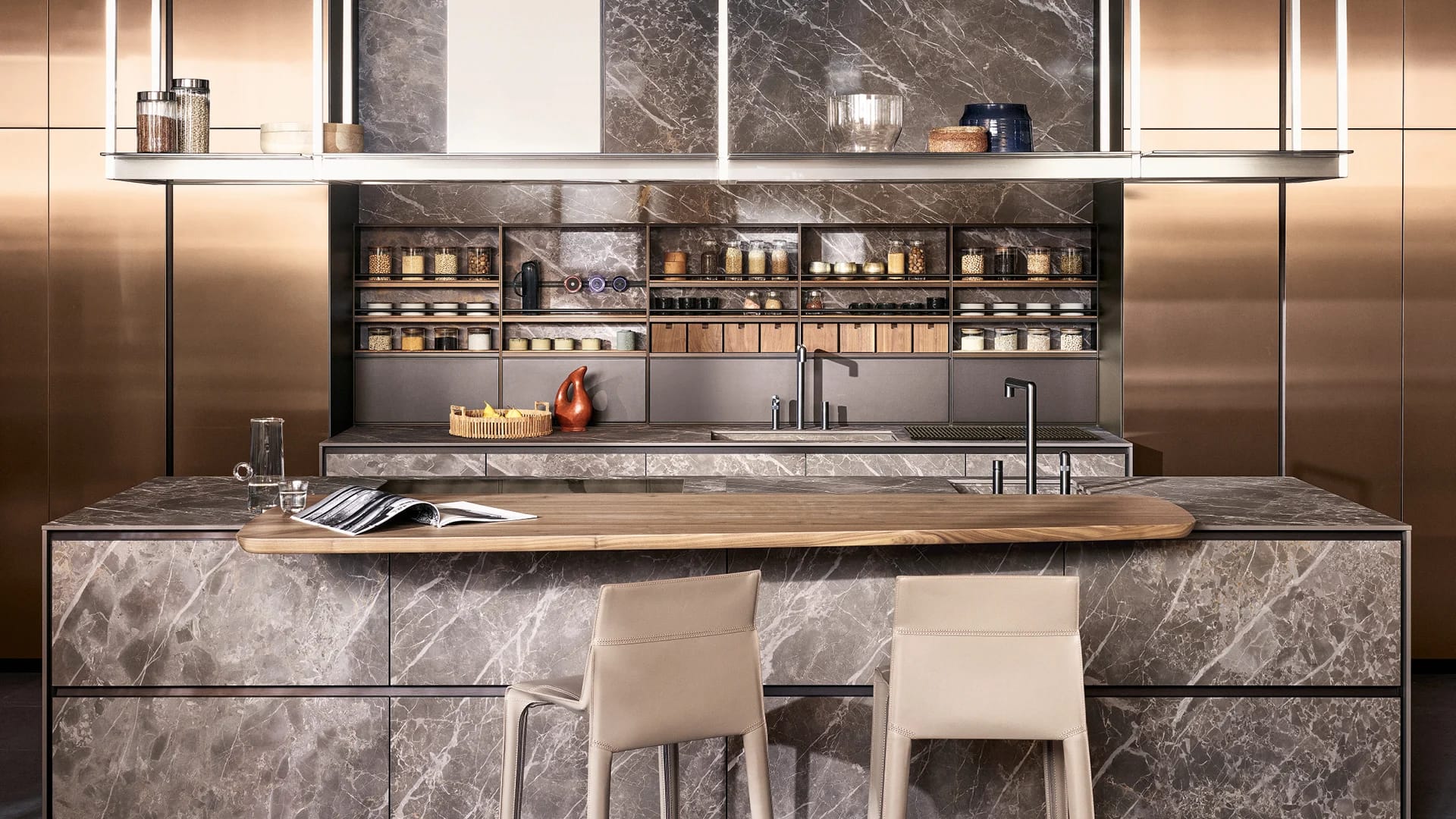
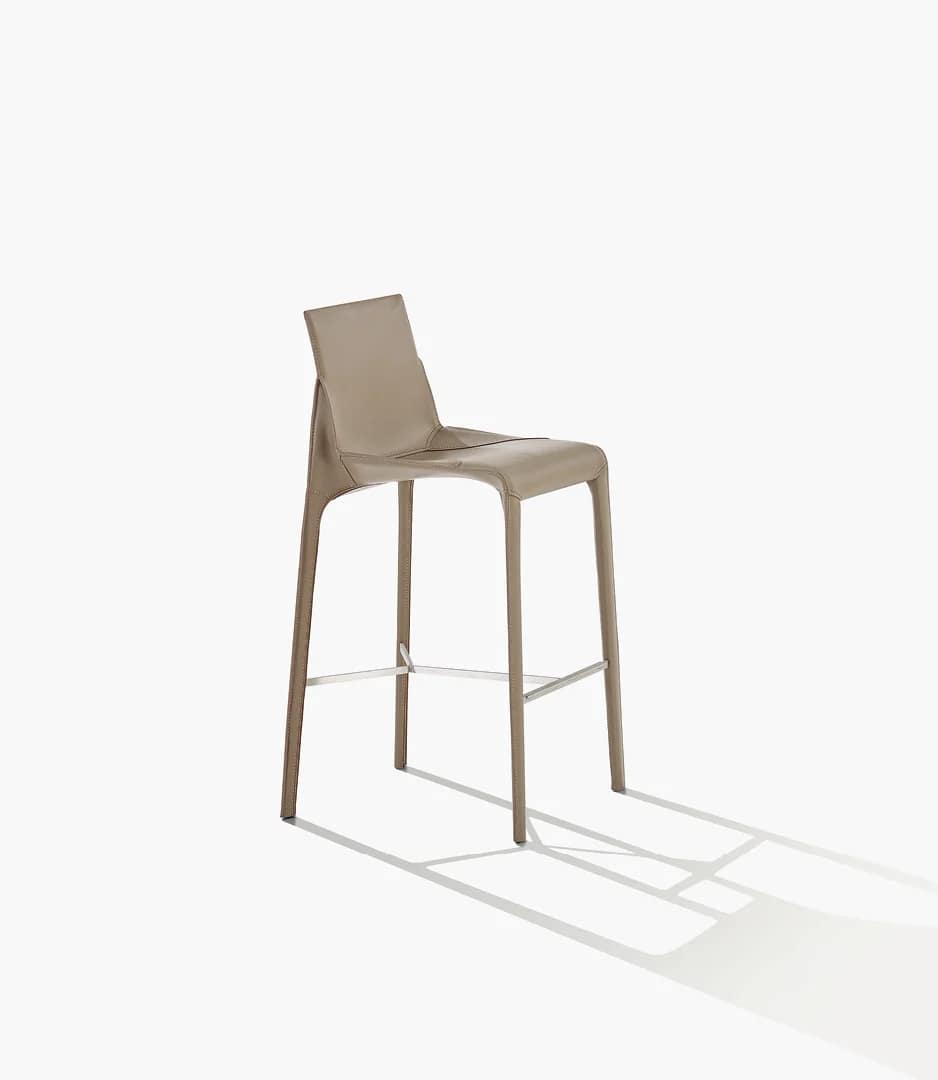
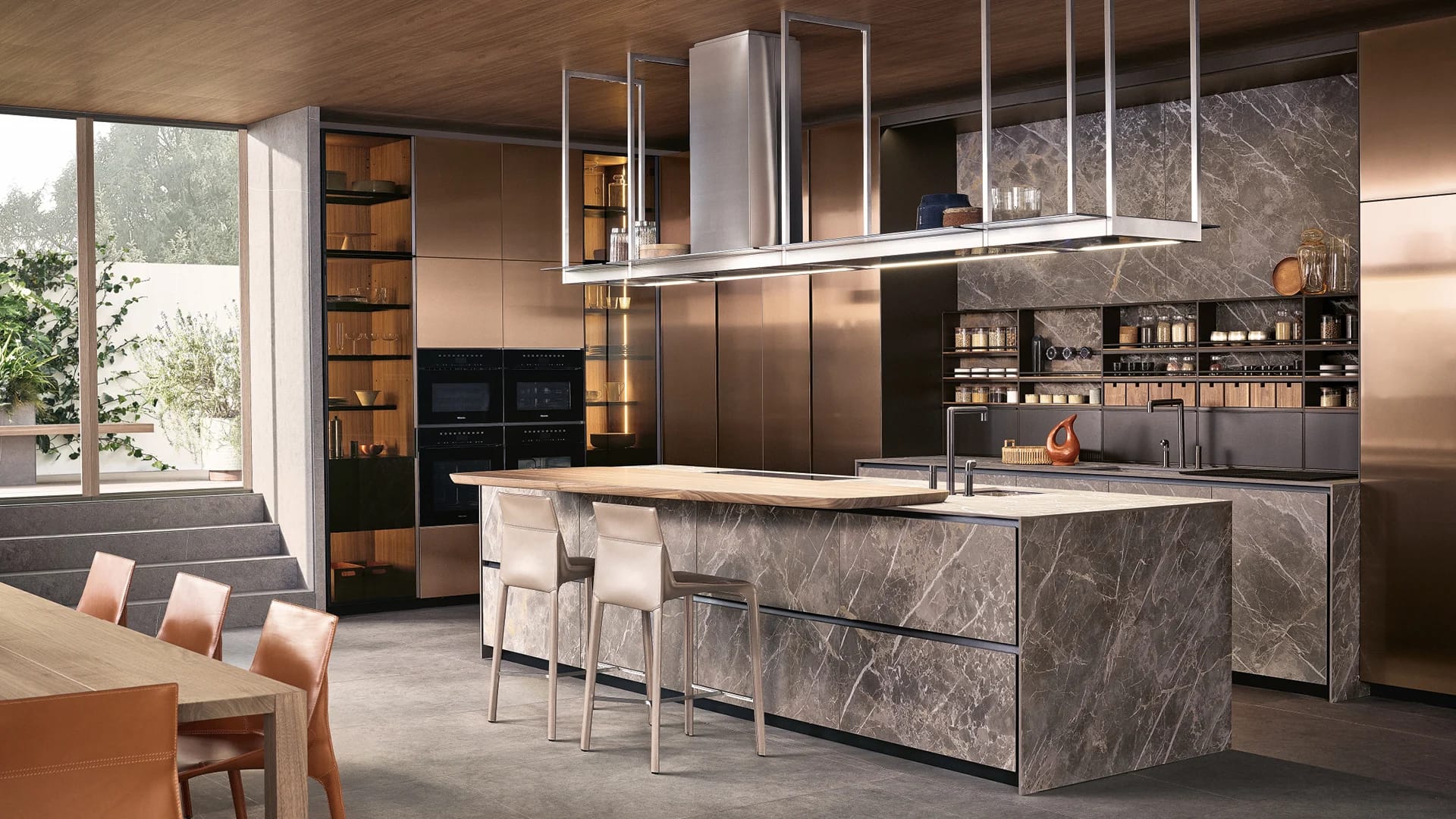
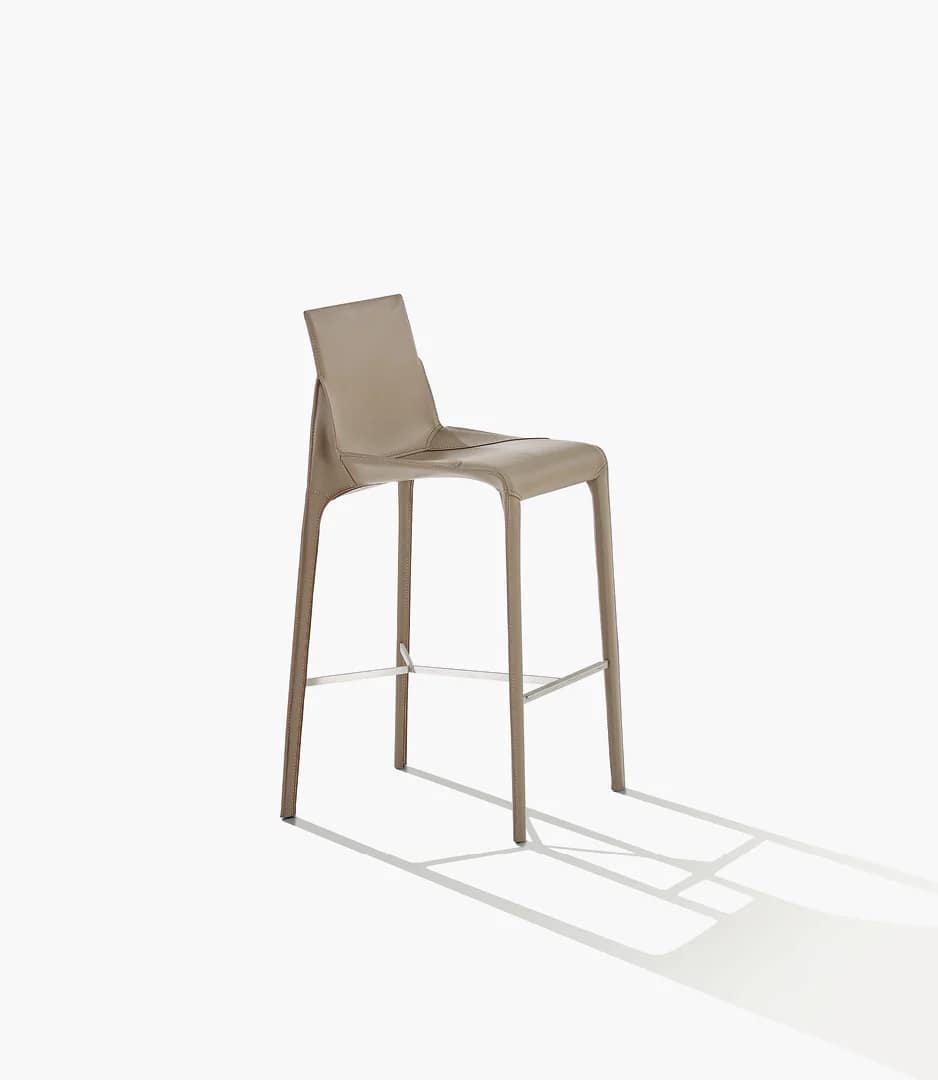
Like the chair from which it evolved, the stool stands out for its contemporary design inspired by the excellence of the traditional British shoemaking tradition. Broguering stitching and punches enhance the leather upholstery that entirely covers the seat, back and legs. Available in two heights, the Seattle stool is suitable for the breakfast bar and kitchen counter. Seattle best expresses its personality as an elegant complement to all the systems in the Kitchen collection.

slide 1
Kitchens

Alea Pro kitchen. Central island with pull-out baskets, doors, finishing sides and worktop in Inalco MDi Stone Brown, handle profile, profile and spacers anodized moka, Sydney snack worktop in solid walnut canaletto. Modular system Infinity, personalized Poliform, with suction lighted module and lighted modules scotch brite steel finish and glass fumé.

Stools

Seattle stools with non-removable hide 29 tortora, footrest in satin chrome.

TECHNICAL DETAILS

SEATTLE STOOL

SEATTLE STOOL

TypologyStools
Seat / BackrestMetal structure covered in hide, under seat in integral polyurethane
Final CoverNot removable cover in hide
LegsSolid wood or metal covered in hide
FeaturesBroguering along the seat profile
FootrestStainless steel
Width50 cm
19 3/4"
Depth52 cm
20 1/2"
Height93 cm
36 1/2"
Width50 cm
19 3/4"
Depth52 cm
20 1/2"
Height100 cm
39 1/4"
COVER FINISHES▾
▾ Hide 02 Nero
02 Nero
02 Nero
26 INVECCHIATO
26 INVECCHIATO
FOOTREST FINISHES▸
▸ Metal parts
Cromo satinato
Cromo satinato
CERTIFICATE OF WARRANTY ∧
The Poliform warranty
Our warranty is valid for 2 years from the date of purchase and covers all manufacturing defects. The warranty period enters into force from the date printed on your receipt or sales slip. You may be asked to present proof of purchase when requesting service. The warranty is non-transferable and is valid only for the original purchaser. It covers repair or replacement of unusable or defective parts free of charge during the warranty period after inspection and acceptance by Poliform or its agent. Natural variations in the colour of the wood, changes in colour under ambient or artificial light, slight variations in dimensions owing to high humidity or dry conditions and the grain of wood, knots or other natural characteristics of wood products are not covered by the warranty. As to suede and leather, occasional natural marks, wrinkles, changes in brightness and tone, specks and slight imperfections folds due to extension after regular use, are not considered defects but are the distinctive traits of natural and authentic products. In some cases (aged-looking leather and nubuck leather, above all with light colours), these features are especially marked, as the kind of tanning for these leathers tends to point out the pureness of the product and not to cover it with painting or pressure print. Some types of fabric show features due to the composition and the kind of manufacturing that aren’t to be considered as defects.
For example: “staple” or “streaked” and “crumpled effect” for linen ”spotted effect” or “curl” , the ”light/dark effect” and the ”imprint effect” for velvets and chenille. In fabrics, suedes or leather, each production lot can present slight variations in colour as compared to samples or products produced in the past. The warranty excludes damage resulting from careless or incorrect furniture installation, potential damage from accidents such as that resulting from a fall, impact, natural disaster, fire and, in any case, all defects that cannot be attributed to defects in the manufacture of the product. Moreover, the warranty is not valid in the event that our products are disassembled, modified or repaired by anyone other than authorised Poliform personnel. Damage due to poor upkeep or improper use of the product are not considered defects of manufacture. You will find useful recommendations in the instruction booklet regarding the use and care of your product. If you have any doubts or require further information, consult the Poliform reseller where your product was purchased. For any situation not expressly covered by this warranty. Legal provisions shall apply.
Safety standards
Poliform uses EPF-S E0.5 classified wood particle panels, the safest available in compliance with European standards EN 120 and EN 717-2, as well as the U.S. TSCA Title VI – CARB Phase 2 regulation, governing formaldehyde content and emissions. For lacquered finishes, Poliform exclusively uses polyurethane coatings that are free from heavy metals and volatile organic compounds (VOCs), in accordance with the provisions set out in Annexes to Part V of Italian Legislative Decree 152/2006.
AN OVERVIEW OF MATERIALS ∨
Structural materials
ABS
(Acrylonitrile-Butadiene-Styrene) synthetic thermoplastic resin.
It has good resistance to acids, does not attract dust and does not warp; because of these properties, ABS is used in the manufacture of edging and sheets for surface covering.

Aluminium
Aluminium is a lightweight yet strong metal, characterised by high corrosion resistance and an excellent balance between weight and strength.
Its lightness, combined with its dimensional stability and easy workability, makes it an extremely versatile material.
Aluminium naturally forms a thin oxide film that protects it from the effects of the weather.
Applying a coat of paint can further improve the surface durability, as well as offering a range of aesthetic options and custom colours.

Stainless steel
Stainless steel is mainly composed of iron, chromium and nickel, with a small amount of carbon and other light elements.
Its main characteristic is its resistance to corrosion and mechanical stress.
Painting not only provides the final colouring but also protects the material from corrosion and scratches.

Bronze
A metal alloy consisting mainly of copper and tin, with a characteristic reddish-brown colour.
It is characterised by high corrosion resistance and good hardness, as well as excellent casting properties: qualities that make it ideal for technical components, decorative elements and artistic objects.
Bronze is mainly processed through casting, mould casting and subsequent machining, which ensure a high degree of precision and versatility.

Metal/glossy/mat lacquers
Wooden fibre panels, with a melamine-faced or polyester-coated front surface, subsequently lacquered on both sides with high molecular weight polyurethane-based paints.
The panel is dimensionally stable.

Solid wood
The subcortical section of a tree trunk, near the innermost, darkest rings, also known as heartwood.
The term “solid wood” refers to genuine wood, the highest quality kind, as opposed to panels made from wood particle board or plywood

Melamine
A thermosetting synthetic resin produced by the polycondensation of formaldehyde.
It is a colourless, odourless resin that is resistant to water, chemicals, abrasion and heat and exhibits considerable transparency to light.

Brass
A metal alloy consisting of copper and zinc, with a golden-yellow colour.
It is notable for its good workability, corrosion resistance and acoustic properties, making it suitable for both technical components and decorative applications.
Brass is processed using techniques such as rolling, drawing and stamping, which enable it to be used in a wide range of industrial and design products.
Medium-density fibre panel in wood (MDF)
A panel made of wood, consisting of wood fibres or bundles of wood fibres obtained by high-temperature thermomechanical defibration.
The fibres are bonded together using thermosetting synthetic resins.

Panel of wooden particles (particleboard)
A panel made of wood particles (shavings, fragments, etc.) bonded together using thermosetting synthetic resins and hot-pressed.
Particleboard is made from lower-grade wood and by-products of other manufacturing processes; for this reason, it is a very environmentally friendly product.

Plywood
A wood-based panel consisting of more than three layers of wood veneers stacked so that the grain of adjacent layers is at right angles to one another.

Melamine panel
A panel composed of wood particles and covered with cellulose-based materials (paper), polymer films (PVC, ABS, etc.) or melamine resins.

Honeycomb panel
A panel produced by gluing two sheets of plywood (usually 4 mm thick) onto a frame of spruce battens or other common timber. The outer surfaces may be veneered or lacquered.
Large panels feature vertical plywood slats within the cavity to stiffen the surface.
This construction method allows for the creation of panels that combine strength and lightness, making them ideal, for example, for wardrobe doors.

Veneer or sliced wood
Veneers are thin sheets of wood with a thickness ranging from 0.3 to 0.30 millimetres.
The term “sliced” derives precisely from the fact that the log is sliced by a blade which, without producing sawdust, cuts the log lengthways.
The veneers are joined together and then glued and pressed onto less valuable wood and/or raw panels of any kind (plywood, chipboard, blockboard, plywood, honeycomb panels, etc.).
Veneered wood allows for the production of wooden items that are more stable, less susceptible to woodworm, more uniform in appearance, and where greater care is taken in selecting the visible parts.
The use of wood veneers also helps to meet the requirements of environmentally sustainable timber resource management.

Glass
Ordinary glass consists almost entirely of silica, the same component as quartz.
In its pure form, glass is transparent, relatively hard, virtually inert from a chemical and biological point of view and has a very smooth surface.
Glass for interior design is available in a wide range of finishes and colours.
Its inherent fragility can be overcome through chemical treatments (by adding other minerals to the mixture) or physical processes, such as tempering.

Tempered glass
Glass that has undergone a tempering process, i.e. heated to 640° and rapidly cooled with jets of air during manufacture.
This method produces a sheet of glass with high internal stresses, great hardness and high brittleness.
If broken, tempered glass produces non-sharp fragments.
Padding
Down
Padding made from the plumage of waterfowl, particularly geese.
Down is an excellent thermal insulator; it allows the body to breathe naturally, absorbs moisture and allows it to evaporate slowly, ensuring an ideal microclimate for the body.
Feathers are hypoallergenic: dust mites, the main cause of allergies, avoid feathers and prefer wool and cotton. They can withstand pressure equivalent to 80,000 times their own weight and return to their original shape perfectly.

Eiderdown
Padding made from the plumage of waterfowl. The down takes the form of a small tuft, consisting of a central shaft (quill) from which numerous barbs extend. It is the finest part of the plumage, found under the wings, on the belly and under the neck, and serves to provide thermal insulation.
Eiderdown offers exceptional thermal insulation combined with remarkable lightness: for example, just 5–6 grams of down is enough to fill a volume of 1 cubic decimetre, whereas wool and polyester require two or three times that amount.
From a physical point of view, heat retention depends on good insulation from the outside, which is achieved primarily through the air and secondarily through the internal materials used.
Eiderdowns are the ultimate natural insulators, as they are able to absorb and hold large volumes of air within their countless air pockets.
Eiderdown also offers excellent resilience, compressibility and hygroscopicity, absorbing moisture and releasing it to the outside, with significant physiological benefits for the human body.

Co-moulded polyurethane with leather finish
The process is very similar to that used for moulded polyurethane, but by using special moulds developed in-house, we can produce a product with a leather finish during the moulding process.
Expanded polyurethane
A solid, elastic polymeric material with an open-cell structure.
As far as is currently known, flexible polyurethane foams are toxicologically inert. They are combustible and must therefore not be exposed to sources of ignition.
The polyurethane foam used in sofa padding has different densities: in other words, it has a higher concentration of cells in the areas most subject to weight bearing.

Compact polyurethane
Using cold-moulding technology, polyurethane foam can be shaped into any form.
Thanks to the material’s shape memory, once the moulding process is complete, the resulting shape remains unchanged.
By carefully balancing the components, it is possible to achieve the right level of softness to suit every comfort requirement. The structural elements of the seat can also be incorporated into the mould, thereby creating self-supporting assemblies.

Double-density compact polyurethane
The process is very similar to that used for compact polyurethane; however, by using special moulds developed in-house with insert components, it is possible to produce a material with two different densities co-moulded together.
Upholstery
Cotton
A plant fibre obtained from the cotton wool that surrounds the seeds of plants of the genus Gossypium.
Cotton fibre does not conduct static electricity, does not felt, is highly hygroscopic, does not irritate the skin, is hypoallergenic and can be ironed at high temperatures.
After linen and wool, cotton is the oldest textile fibre. The length of the fibre determines its quality: the longer it is, the more lustrous, durable and valuable the cotton is.

Chenille
Chenille is a yarn or fabric characterised by a shaggy, soft and velvety appearance. It is created by wrapping short threads around two stronger central threads, and can be made from a variety of fibres, including cotton, viscose,
wool, silk or synthetic materials. Unlike velvet, it has longer and wider tufts, which create this more pronounced “shaggy” effect.

Hide
A protein-based membrane derived from cattle and treated to make it durable.
The process is known as tanning and involves the removal of the outermost layer and the subcutaneous connective tissue (hypodermis). The most important layer is the dermis, which consists of bundles of connective and elastic fibres.
The upper layer of the dermis, known as the grain, is what defines the finest quality leather, which is referred to as ‘”full-grain”.

Artificial and synthetic chemical fibres
Artificial chemical fibres are produced by treating the natural cellulose found in various plants (the same substance that makes up plant fibres), which is suitably processed and dissolved in solvents, and then spun into textile fibres in the form of continuous filaments or staple fibres.
The family includes: modal, acetate, cupro, lyocell and viscose.
Synthetic chemical fibres are fibres derived from synthetic organic substances that are polymerised to form long molecular chains (macromolecules), which can be spun into continuous filaments or staple fibres (discontinuous fibres).
This family includes: acrylic, modacrylic, polyamide, polyester, polypropylene and polyurethane.

Wool and cloth
A natural textile fibre obtained from the fleece of sheep and camelids. Thanks to its unique structure and the dense crimp of its fibres, it possesses excellent hygroscopic properties (absorbing up to 30% of its weight in moisture), as well as high thermal insulation, elasticity, and resistance to wear and flame.
The fabric commonly known as cloth is a carded wool yarn that has always been fulled; it may also be brushed.

Linen
A composite plant fibre derived from the bast (outer bark) of Linum usitatissimum, consisting of approximately 70% cellulose. It is a cool, hard-wearing and soft fibre.
Thanks to its unique molecular structure, linen can absorb up to 20% of its weight in water without the body feeling damp: a characteristic that makes it ideal for fabrics that come into contact with the skin.
In particular, its hypoallergenic, breathable and anti-static properties make linen the ideal material for bed linen.

Polyamide (nylon)
A synthetic fibre obtained from linear macromolecules containing recurring amide bonds in their chains, at least 85% of which are linked to aliphatic or cycloaliphatic groups.
It is used in both continuous filament and staple fibre forms. It offers high resistance to breakage, deformation (excellent elastic recovery) and abrasion.
It ensures easy care (washing, drying, no ironing required), excellent dye-take and is crease-resistant.

Mixed fabrics
Two or more different fibres can be used in the same fabric: for example, cotton and wool, wool and acrylic, etc.
These mixed fabrics have different characteristics depending on the fibres they are made of and the proportion of each. Generally speaking, mixed fibres allow the resulting fabric to retain the key qualities of its constituent fibres: for example, blending cotton with synthetic fibres increases its resistance to creasing.

Velvet
A fabric in which the weft threads are distributed very evenly, with a dense, short pile, giving it its distinctive feel.
It is woven on a special frame that weaves two pieces of velvet at the same time.
The two sections are then cut, and the two lengths of fabric are wound onto separate take-up rollers.
Velvet can be made from many different types of fibres, mainly silk and cotton.

Modacrylic
A synthetic fibre that derives from a macromolecule composed of at least 50% acrylonitrile and is generally available in floccules. It is highly flame retardant and feels much like acrylic fibre to the touch. Moreover, it is resilient, shape retentive, fade and wash resistant, has a soft hand, is durable and dyes easily to bright shades, is chemical-resistant, easy to care for, insulating and non-toxic.

Viscose
Regenerated fibre, produced from wood shavings and waste from cotton spinning. A cellulose yarn available as filament or staple fibre (also known as rayon).
It has a texture very similar to that of silk, the comfort typical of plant-based fibres, good wear resistance (when dry) and high moisture-absorbing capacity.
It is also used in combination with other natural or synthetic fibres.

Leather
A protein-based membrane derived from cattle and subjected to a tanning process. It is thinner and lighter than leather.
General considerations.
Leather, as the word itself suggests, is derived from the skin of animals, which consists of several layers and is originally about 1 cm thick.
Quality.
When we talk about the grain, we are referring to the outermost layer of the epidermis, which retains the natural characteristics of the grain, veining and softness (to a greater or lesser extent). The size of the grain does not determine the quality of the leather; rather, it stems from aesthetic choices. In case of more economical leathers, inner layers are used, which are processed to reproduce the natural characteristics of the leather (sanding and pressure-stamping of the grain).
Origin.
Leather from Europe is undoubtedly preferable to exotic or overseas leather (which tends to have more flaws, such as scars and insect bites, due to the animals being reared in the wild)
Mineral tanning.
Tanning, a process designed to protect leather from natural decomposition, also serves to enhance its softness, colour, lustre and sheen. It is usually carried out using chromium salts, and only in cases of high-quality leather is vegetable retanning used, to achieve the most natural effect possible.
Dyeing.
Dyeing, which is used to produce all the different colours from the natural one, is carried out by immersing the hides in vats containing the dye: in our case, we always use aniline dye, ensuring the dye penetrates the entire thickness of the hide (which is preferable to surface dyeing). Drying. Drying is normally carried out on racks in ovens, but for the finest hides it is done naturally in the open air.
Grain.
“The natural grain (not printed) and the absence of grindings (a sort of smoothing) show the use of full-grain leather of a quality that does not need
correction and refining operations.”
Finishing.
“The best final finishing that then determines the aspect of the leather is that with aniline, which has a more natural aspect but also a more delicate and soft
touch. The finishing with polyurethane resins guarantees instead great uniformity and resistance.”
Thickness and dimension.
Greater thickness determines a better leather and bigger dimensions are to be preferred, as there are less wastes.
Leather Spring category P
European origin, Bovine leather, With chromium salts, Through dyeing, Vacuum drying, Pressed grain, Grinded, Finished with polyurethane resin, Thickness 1,0/1,2 mm, Average size 4,5/5,0 sqm

Leather Special category X
European origin, Bovine leather, With chromium salts, Through dyeing, Natural thin grain, Slightly corrected, Pigmented finish, Thickness 1,3/1,5 mm, Average size 5,00/5,50 sqm

Leather Deep category X
European origin, Adult bovin leathers, With chromium salts, Aniline drum dyeing, Frame drying, Pre-moulded natural grain, Finishing with fine pigment dispersions and waxes, Thickness 1,8/2,0 mm, Average size c.a. 5,00/5,50 sqm

Leather Suede category X
European origin, Adult bovin leathers, With chromium salts, Aniline drum dyeing and refinishing for colour correction only, Thickness 1,2/1,4 mm, Average size c.a. 1,80 sqm.

Leather Colors category S
European origin, Bovine leather, With chromium salts, Through dyeing, Natural thin grain, Not grinded, Finished with polyurethane resin, Thickness 1,0/1,2 mm, Average size 5,00 sqm

Leather Silk category S
European origin, Adult bovin leathers, With chromium salts, Through dyeing, Frame drying, Natural/full grain, Light water-based finish, Thickness 1,3/1,5 mm, Average size c.a. 5,00 sqm

Leather Nabuk category Y
European origin, Bovine leather, With chromium salts, Aniline drum dyeing, Natural drying, Natural grain, Grinded, 3M Scotchgard, Thickness 1,1/1,3 mm, Average size 5,00/5,50 sqm

Leather Soft category Y
European origin, Bovine leather, With chromium salts, Aniline drum dyeing, Frame drying, Natural/full grain, Natural/full grain, Thickness 1,5/1,7 mm, Average size c.a. 5,00 sqm

Leather Natural category Y
European origin, Bovine leather, With chromium salts, Aniline drum dyeing, Frame drying, Smooth finish, Finish in aniline and wax, Thickness 1,1/1,3 mm, Average size c.a. 5,00 sqm

Leather Hairy
European origin, Bovine leathers with hair, With chromium salts, Drum dyed, Thickness 1,4/1,5 mm, Average size 1,6 – 2,00 sqm

Leather Ermitage category W
European origin, Bovine leather, With chromium salts, Aniline drum dyeing, Frame drying, Smooth finish, Finish in aniline, Thickness 1,4/1,5 mm, Average size c.a. 4,40 sqm

Tecnocover
It is a composite material, consisting of 20% leather offcuts, 55% polyurethane and 25% cotton.
The offcuts from natural leather production are finely shredded and mixed with rubber, latex and other synthetic binders.
Sheets of regenerated leather can undergo various finishing processes designed to make them as similar as possible to the corresponding natural version.
Of particular importance is the embossing process, in which the material is stamped using a specific pattern that mimics the grain of natural leather.
Care Instructions ∨
Recommendations to keep your product looking its best over the years
The following instructions, categorised by material, will advise you on the best way to care for your Poliform furniture over time. Please use only the recommended cleaning products and, as a general rule, avoid detergents that are too harsh or abrasive: this will ensure you can enjoy Poliform’s quality for many years to come.

Care of melamine lacquer panel
We advise to use a neutral detergent.
Avoid products containing acetone, chlorine, thinner or abrasive cleaners.

Care of lacquered components
We advise to use a neutral detergent. Avoid products containing acetone, thinners, ammonia, abrasive detergents or furniture wax.
Warning: during initial cleaning, the cloth may pick up some colour.
This is a physiological phenomenon and is linked to the presence of paint powders that come to the surface during the drying process: once it is eliminated, you won’t see it again.

Care of wood and wood veneer parts
We advise to use a neutral detergent.
Avoid products containing acetone, thinners, ammonia, abrasive detergents or furniture wax.
Caution: the surface of the wood is treated to resist moderate amounts of grease and dirt.
In addition, surface coatings contain water-resistant and anti-yellowing agents. However, avoid exposing surfaces to scoring or high temperature.

Care of metal structural components
We advise to use a neutral detergent. For metal parts, simply wipe down periodically with a damp cloth. Avoid products containing acetone, thinners, ammonia, abrasive detergents or furniture wax.

Care of glass panels
Use vinegar diluted in abundant water or glass cleaning products.
Warning: in the event that glass is mounted in an aluminum frame, avoid alcohol or ammonia, which may damage the frame.

Care of hinges, drawer slides and metal parts
Lubricate with any product widely available on the market.
Use lubricant periodically on hinges and drawer slides before cleaning to remove possible dust.
For metal parts, simply wipe down periodically with a damp cloth.
Avoid any kind of abrasive cleaning product.

Care of tops in marble and stone
Clean with water using a cloth or sponge.
Marble is a material to be clean with extreme delicacy: it is porous and can absorb liquids resulting in stains.
“Poliform surfaces are treated with a special anti-stain and anti-oil product; nonetheless, spills of wine, coffee, lemon, vinegar and other products containing
aggressive agents must be wiped up immediately.”
To maintain surfaces in good condition, a regular treatment with typical products for cleaning and maintenance of marble, ensuring that these products are neutral and specific for the finish of your marble glossy or polished.
Do not under any circumstances use abrasive or aggressive products, acidic detergents, bleach, abrasive paper or steel wool.

Care of cedar wood
In order to avoid any kind of problems due to spots and absorption of the resin contained into the cedar wood, please do not position any products on to carpets or soft surfaces which do not allow a suitable aeration of the base of the product, in particular during the first months of purchase.
Please keep these products in dry, well ventilated places.
Any eventual split or crack are typical of the solid wood and not structural defects.

Maintenance of parts in bronze
Use a felt or soft wool cloth. Apply neutral wax cream only if necessary.
Any possible imperfection is due to the casting process of the product, and not to production defects.

Maintenance of parts in brass
Use a felt or soft wool cloth. Apply neutral wax cream only if necessary.
Any possible imperfection is due to the casting process of the product, and not to production defects.

Ordinary maintenance of upholstery
We recommend using a vacuum cleaner fitted with soft brushes. An adhesive brush may be used from time to time.
To remove a stain, act immediately by dabbing it with a clean cloth to prevent it from spreading.
Most liquids at home (drinks, food) can be removed using lukewarm water and a mild soap.
Please note that when using solvents, these should be applied to a cloth and never directly onto the surface.
Washing of removable covers
We recommend that you follow the care instructions printed on the labels sewn into the upholstery and listed at the end of this certificate of origin and warranty to the letter.
Please note that any fabric washed in water or dry-cleaned may be subject to changes in size, even if washed in accordance with the care instructions.

Water wash (if foreseen)
Wash the turned-out covers. Pre-wash them by soaking them in cold water with four tablespoons of mild soap. Machine wash at 30°C.
For ironing instructions, please refer to the care label on the fabric. Do not spin-dry. Do not use bleach or whitening agents.
We recommend covering the Velcro fasteners when washing the covers, to prevent them from scratching or damaging the fabric.

Dry cleaning (if foreseen)
Please contact specialist companies, ensuring you always include the fabric information provided at the end of this product sheet.
We recommend covering the rigid Velcro sections when washing the covers, to prevent them from scratching or damaging the fabric. Please use the Velcro cover strips provided.

Care of hide cover
Use a felt or soft wool cloth. If necessary, you can use the Poliform leather cleaning towel and then dry the surface with a hairdryer. Occasional stains can be removed if they are wiped up immediately with an absorbent cloth.
Do not rub the stain but gingerly blot starting from the edge of the stain and work inwards.
Avoid any type of aggressive (such as solvents) or abrasive product. Never steam clean. Do not use shoe-cleaning products.

Care of fabric cover
The use of a hoover with soft brushes is recommended. Periodically an adhesive brush can be used.
To remove stains, act immediately by dabbing with a clean cloth and preventing the stain from spreading.
Caution when using solvents, they should be applied on a cloth and never directly on the cover.

Care of leather cover
Ordinary cleaning can be carried out with a hoover fitted with soft brushes, very gently.
Leather surfaces can then be cleaned with a cloth moistened with lukewarm water and wrung out, with the exception of Nabuck leather, which should be dusted with a dry cloth.
Any stains should be removed as quickly as possible using an absorbent cloth. Never wipe too vigorously.
We recommend using the dedicated Poliform leather cleaning kits, following the enclosed instructions. After each treatment, it is advisable to use a hairdryer to dry the leather, gently massaging the surface.
In particular, the “Poliform leather cleaning kit” or disposable towel is supplied, which can also be purchased separately.
Avoid: any type of harsh products (solvents) or abrasives. Do not steam clean. Do not use shoe care products.

For SUEDE and ERMITAGE soles, the cleaning products listed in the catalogue cannot be used.

Care of SUEDE leather covers
As this is suede leather, it should only be treated with a dry cloth and a soft brush.
For any spillage stains, remove immediately with a cloth, wait until the area is completely dry and then treat with a medium/hard bristle brush.
Avoid: any aggressive (solvent-based) or abrasive products. Do not clean with steam. Do not use shoe care products.

Care instructions for ERMITAGE leather covers
This leather is a high-quality selection, characterised by an extremely soft feel and a natural appearance.
Its aesthetic qualities, transparency, depth of colour and the natural texture of the surface are the result of a gentle tanning process that preserves the leather’s authenticity.
For routine cleaning, use only a soft, dry cloth to remove dust, or, if necessary, a soft cloth slightly dampened with water alone
Dab gently without applying pressure and without rubbing
In case of accidental stains, it is important to act promptly and immediately absorb any liquids with a clean, dry cloth, avoiding rubbing the surface.
For oily or greasy substances, it may be helpful to apply a small amount of neutral talcum powder to the affected area, leaving it to work for a few hours so that it absorbs some of the substance.Then gently remove the talcum powder with a soft cloth
For stubborn stains, we recommend consulting a specialist
Avoid: any type of aggressive (solvent-based) or abrasive products. Do not steam clean. Do not use shoe care products, waxes, creams, wipes or products not specifically formulated for aniline leather.
The natural evolution of leather
Slight variations in colour, small natural marks and the gradual change in appearance over time are distinctive features of genuine aniline leather and bear witness to its authenticity and quality.

Care of linen and mesh linen
For regular cleaning, use only a dry white cotton cloth; handle the item with care, using a soft brush to remove dust.
For a more intensive cleaning or to remove stains, use a damp cloth (not soaking wet) with a mild detergent only; treat the surface using gentle circular movements, dabbing the affected area.
Do not rub under any circumstances; always dry with a hairdryer afterwards, moving from the outside inwards.
Avoid aggressive products and abrasive cleansers at all costs.

Care of ecotech
Clean regularly with a pH-neutral soap and a soft brush or cloth.
Always rinse with clean water. Do not use aggressive cleaners, solvents, polishes, waxes, patented chemicals or other non-recommended products.
Some stains, such as biros, coffee, wine and even jeans, must be cleaned immediately to avoid any permanent absorption into the material
Poliform disclaims all liability for problems arising from ignoring cleaning instructions.

Care of cover in Tecnocover
For regular cleaning, use only a dry white cotton cloth.
For a more intensive cleaning, use a damp cloth with a mild detergent, wipe the surface using gentle circular movements, do not scrub and always dry afterwards with a soft, dry cloth.
Avoid absolutely products containing acetone, thinners, ammonia and abrasive cleaning agents.
Disposal
Poliform recommends that you do not dispose of your product in the outdoors. Because of our manufacturing technology and the routine use of recyclable materials, discarded Poliform products can be re-used in the manufacturing process. For this reason, drop off your Poliform product at the waste disposal centres within your municipality.
To facilitate the collection, reuse, recovery and recycling of packaging, we inform you that the packaging is composed as follows: PAP20 carton, PS 06 polystyrene, PELD 04 cellophane, PELD 04 expanded polyethylene (down), FOR 50 wooden boxes, Profiles in Systempack PELD 04.
RELATED PRODUCTS
FRAME

FRAME

Carpets

THE CATALOG

The catalog dedicated to the Brera sofa system.

THE CATALOG

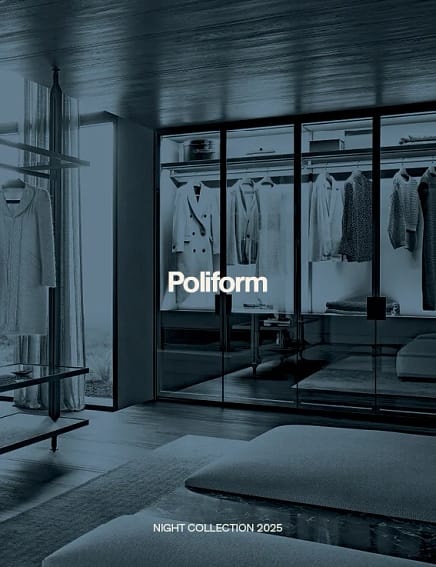
The maximum expression of Poliform’s style between nature, architecture and know-how.

All images and video courtesy of Poliform


All images courtesy of Poliform

POLIFORM

AT HOUSTON

Founded in 1970 in Italy’s Como region, renowned for high-end furnishings, Poliform is synonymous with elegance, sophistication, and quality. The brand offers diverse furniture systems including bookcases, wall units, walk-in closets, wardrobes, beds, sofas, armchairs, and kitchens, combining traditional Italian craftsmanship with innovative manufacturing methods. CAM Studio, founded by Carla Muñoz in 2018 after 20 years of experience in high-end furniture and design, is the Poliform dealer.

“As an architect, I value trade relationships; like Cam Studio, based on quality of product, knowledge of team, reliability of service and design aesthetic. Carla Munoz and her team excel on all fronts and service clients in Texas as well as internationally. I’ve worked with her on many projects over the course of twenty years and exceptional customer service remains an art for her. Highly recommend.” 
Karen L.
Ready To Start A New Project?

We offer consulting to help you create the perfect environment.

+1 (346) 803-2300

2800 Kirby Dr suite 116-a, Houston, TX 77098 

© Copyright 2026 | CAM Studio | All Rights Reserved. All content, logos, trademarks, product descriptions, videos and images are the property of their respective owners.  Brand materials are used to identify brands and products. Unauthorized use is prohibited.

×

Cart

SUBSCRIBE TO OUR NEWSLETTER

Get notified of our latest collection arrival